

 By Maylands Dental Centre
If you’re considering dentures or know someone who wears them, you’ve probably heard various claims about what they’re like. Some of these claims may be based on outdated information or experiences from decades past. Treatments have evolved over time, yet many common denture myths persist and may influence treatment decisions. This article addresses denture misconceptions with current information.
Dental technology has advanced over the years, with changes in denture design, materials and fitting techniques. What was true about dentures 20-30 years ago may no longer apply to today’s options. Understanding the facts can help you make better decisions about your denture care. Whether you’re exploring dentures for the first time or reconsidering previous assumptions, accurate information matters for your dental treatment choices.
Blog Navigation
- Summary of the Content:
- Myth #1 - Dentures Are Only for Elderly People
- Myth #2 - Modern Dentures Look Fake and Unnatural
- Myth #3 - Dentures Are Uncomfortable and Painful to Wear
- Myth #4 - You Can't Eat Normally with Dentures
- Myth #5 - Dentures Don't Require Care or Maintenance
- Myth #6 - Dentures Will Fall Out or Slip While Eating or Talking
- Myth #7 - Once You Have Dentures, You Don't Need to See the Dentist
- Myth #8 - Dentures Last Forever
- Myth #9 - Dentures Are Prohibitively Expensive
- Additional Common Misconceptions
- Final Thoughts
Summary of the Content:
- Tooth loss can occur at any age due to trauma, periodontal disease, genetic conditions, or medical treatments, making dentures a potential option for younger adults as well.
- Modern materials and customisation techniques allow dental professionals to match tooth shape, size, and shade to create a lifelike appearance that complements your existing features.
- While an initial adjustment period is normal, properly fitted dentures can become comfortable. Most patients adapt within a few weeks to months, and any persistent discomfort can be addressed through professional adjustments to improve fit.
- Most denture wearers can enjoy a varied diet after the adjustment period. Starting with soft foods and gradually introducing different textures helps patients eat comfortably, though some very hard or sticky foods may require modification.
- Dentures require daily cleaning and regular dental checkups to maintain oral health. Proper hygiene prevents bacteria buildup, gum irritation, and material degradation, whilst professional monitoring addresses changes in mouth structure that may affect denture fit over time.
Myth #1 - Dentures Are Only for Elderly People
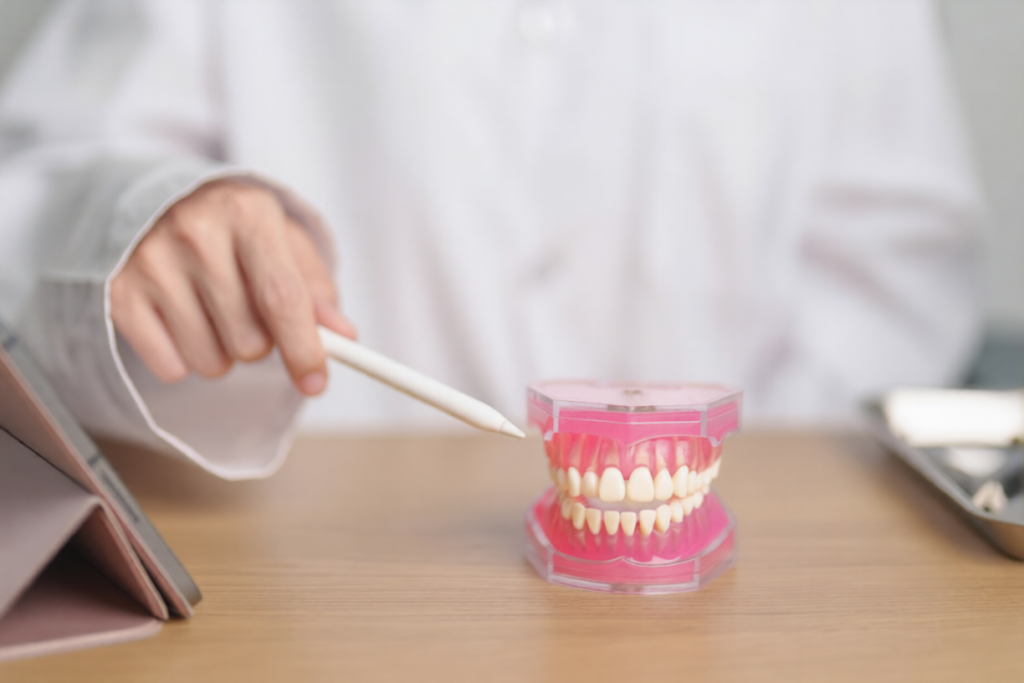
One of the most common denture myths is that they are exclusively for older adults. While tooth loss increases with age, individuals of all ages may require dentures for various reasons. Younger adults may experience tooth loss due to trauma, severe periodontal disease, congenital conditions, or genetic factors. Medical treatments, sports injuries, or conditions like ectodermal dysplasia can also lead to early tooth loss.
Modern dentures are designed to accommodate diverse patient needs, regardless of age. They offer a tooth-replacement option when natural teeth are lost or severely damaged. If you’re experiencing tooth loss, your dentist can discuss whether dentures are a suitable option for you. Age alone doesn’t determine who can benefit from denture treatment—individual circumstances and clinical assessment guide these decisions.
Myth #2 - Modern Dentures Look Fake and Unnatural
Modern dentures are custom-designed using contemporary materials to create a natural appearance that complements your facial features. Dental professionals carefully match tooth shape, size, and shade to your skin tone and any remaining natural teeth. The gum-coloured base is crafted to blend seamlessly with your gum tissue through precise impressions and colour matching. Contemporary denture materials have evolved significantly from earlier acrylics, offering a lifelike appearance in texture and translucency.
The natural appearance of dentures depends on proper customisation and skilled craftsmanship during fabrication. Working with experienced dental professionals helps provide dentures tailored to your needs. Regular adjustments help maintain the natural look and proper fit of your dentures over time. While quality varies based on materials and techniques used, customised dentures can closely resemble natural teeth when properly designed and fitted.
Myth #3 - Dentures Are Uncomfortable and Painful to Wear
While many people worry that dentures cause constant discomfort, modern dentures are designed for comfort. An initial adjustment period of a few weeks to months is normal as your mouth adapts. During this time, you may experience sensations such as bulkiness, increased saliva, or minor soreness. These feelings typically reduce as your muscles, tongue, and cheeks adapt to the dentures.
Properly fitted dentures can become comfortable once the adaptation period is complete. Precise measurements and impressions help create dentures that suit the patient’s unique mouth shape. If discomfort persists beyond the adjustment period, your dentist can make modifications to improve fit. A consultation can help determine the most suitable approach for your unique dental needs and address any ongoing comfort concerns.
Myth #4 - You Can't Eat Normally with Dentures
Many people worry that dentures will severely limit what they can eat. While there is an adjustment period, most denture wearers can enjoy a wide variety of foods. Initially, you’ll start with softer options like yoghurt, eggs, and mashed potatoes for the first week or two. As you adapt, you can gradually reintroduce more textures and expand your diet.
With proper denture fit and some practical strategies, eating can become comfortable and enjoyable. Cutting food into smaller pieces, chewing evenly on both sides, and taking smaller bites can help. Some very hard foods, such as a whole apple, may need to be cut up first. While extremely sticky foods such as caramel may pose challenges, most patients can maintain a varied, nutritious diet with their dentures.
Myth #5 - Dentures Don't Require Care or Maintenance
Some people believe dentures need no care since they’re not natural teeth. This misconception can lead to neglected oral hygiene and potential health issues. Dentures require daily cleaning with a soft brush and appropriate cleaning solutions to remove bacteria and food particles. Regular maintenance may help extend the lifespan of dentures, reduce staining, and lower the risk of gum irritation or oral infections.
Most dentists recommend removing dentures overnight and soaking them to prevent warping or drying of the material. If you have natural teeth remaining, they still require regular brushing and flossing alongside your denture care routine. Poor denture hygiene may contribute to concerns such as halitosis or periodontal problems. Additionally, regular dental checkups remain important because your mouth may change, which may require denture adjustments or relining.
Myth #6 - Dentures Will Fall Out or Slip While Eating or Talking
Modern dentures are designed to stay secure during eating and speaking when properly fitted by your dentist. Full dentures rely on natural suction and the contours of your gums for retention during daily use. Partial dentures use clasps or precision attachments to anchor securely to your remaining natural teeth. If you experience persistent slipping, it indicates that your dentures need a professional adjustment rather than being a normal occurrence.
Several factors help keep dentures stable, including your facial muscles, once you’ve adapted to wearing them. Denture adhesive can provide optional additional security for special occasions or additional peace of mind if desired. Changes in your oral structures over time, such as bone resorption or weight changes, can affect the fit of dentures. Regular dental checkups allow monitoring of fit, and your dentist can discuss adjustment options or alternatives if needed.
Myth #7 - Once You Have Dentures, You Don't Need to See the Dentist
Many people believe dentures eliminate the need for dental visits, but this isn’t accurate. Regular dental checkups remain important for monitoring your oral tissues, gums, and denture condition. Your mouth structure changes over time, which can affect how your dentures fit and function. During these visits, your dentist examines your oral health, assesses denture fit, and identifies any issues early.
Even with dentures, complications such as gum irritation, oral lesions, or ill-fitting appliances can develop. Your dentist can make adjustments to improve comfort and address concerns before they become more serious. If you have partial dentures, your remaining natural teeth still require ongoing professional care and monitoring. Annual checkups allow your dentist to assess how your dentures are functioning.
Myth #8 - Dentures Last Forever
Many people assume dentures are an option that lasts indefinitely once fitted. This overlooks the reality that dentures typically need replacement after 5-10 years. Both the denture materials and the oral tissues undergo changes over time. Bone resorption, gum changes, and normal wear affect how dentures fit and function.
Regular maintenance and professional relining can temporarily extend the lifespan of dentures. However, eventual replacement becomes necessary when fit deteriorates, materials degrade, or structural damage occurs. Your dentist can assess when replacement is needed based on your circumstances. Modern denture materials and techniques continue to improve, offering different characteristics with each replacement.
Myth #9 - Dentures Are Prohibitively Expensive
Many people believe dentures are too expensive and out of reach financially. This concern can prevent individuals from seeking treatment for missing teeth. The perception exists that only costly options are available. Some assume their health fund won’t provide meaningful assistance towards denture costs.
Denture costs vary significantly based on the type selected and the materials used during fabrication. Multiple denture options exist at different price points, from basic acrylic designs to implant-supported restorations. Some dental practices offer payment plans to help manage treatment costs over time. Your health fund may provide partial cover depending on your specific policy and level of cover.
Government assistance schemes may be available for eligible patients, including DVA and MPDSS programs. Discussing all options with your dentist helps you decide what’s right for your dental care.
Additional Common Misconceptions
Beyond the well-known myths, several denture misconceptions can discourage people from exploring them as a suitable tooth-replacement option. Here’s what you should know about these common misunderstandings.
Myth: Dentures Always Cause Bad Breath
Poor oral hygiene can affect natural teeth and dentures. Dentures themselves don’t cause bad breath when properly maintained. Regular cleaning removes food particles and bacteria that may contribute to odour. Your dentist can guide you on effective cleaning techniques and recommend suitable products. Consistent denture care is essential for maintaining a fresh-feeling mouth throughout the day and supporting better oral comfort.
Myth: You Can’t Smile Naturally With Dentures
Customised dentures are designed to support natural facial expressions and comfortable movement. Properly fitted dentures sit securely and allow you to smile, laugh, and speak without feeling self-conscious. The fit and appearance are customised to complement your facial structure.
Myth: Getting Dentures Is a Difficult or Painful Process
The denture fitting process is typically straightforward when planned properly with your dentist. Modern techniques and materials help minimise discomfort during preparation and adjustment. Your dental team will guide you through each stage, from initial impressions to final fitting. While there’s an adjustment period as you adapt to wearing dentures, most patients find the process manageable with professional support and clear communication.
Knowing the facts about dentures supports informed decisions about your oral health. If you have questions or concerns about dentures, book a consultation with our team to discuss your specific situation and explore suitable options.
Final Thoughts
Recognising common denture myths helps you make better choices about your oral health. Customised dentures have evolved significantly from earlier versions, driven by advances in materials and design. Many denture misconceptions stem from outdated information that no longer reflects current dental technology. Professional guidance remains essential when considering dentures, as individual circumstances vary.
If you have questions about dentures, our team at Maylands Dental Centre in Perth can provide information and guidance. We take time to address your concerns and explain what contemporary dentures can realistically offer for your situation. Scheduling a consultation allows us to discuss your individual circumstances without pressure or obligation. Contact us to learn more about how contemporary denture options might support your oral health needs.


 General Dentistry
 Cosmetic Dentistry
 Restorative Dentistry
 Dental Implants
 Orthodontics
 Sleep Dentistry
 Childrens Dentist
 Cosmetic Procedures
 Health Funds
 Government Schemes
 Payment Plan Options