

 By Maylands Dental Centre
Many people considering tooth replacement ask, “What do I wish I knew before getting dentures?” This is a common question we hear from patients exploring their options. Dentures are one of several options for replacing missing teeth, depending on individual circumstances and clinical assessment. Understanding what’s involved can help you feel more prepared and informed before your first appointment.
This guide covers key considerations, including denture types, materials, the fitting process, and what to expect during adjustment. We’ll also discuss care requirements and how dentures function in everyday life. Every person’s experience is different, so outcomes and comfort levels vary. The most appropriate way to determine whether dentures are right for you is to consult your dentist.
Blog Navigation
- Summary of the Content:
- Different Types of Dentures
- What Happens During the Denture Consultation
- Steps Involved in the Denture Fabrication Process
- The Adjustment Period with New Dentures
- Daily Denture Care and Maintenance Considerations
- How Long Dentures May Last and Factors That Influence Longevity
- Cost Considerations and What May Influence Pricing
- When to Seek Professional Advice About Dentures
- Final Thoughts
Summary of the Content:
- Full dentures are removable prosthetic devices that replace all teeth in one arch when extensive tooth loss has occurred due to decay, gum disease, or injury. These devices consist of acrylic resin teeth mounted on a gum-colored base that rests directly on gum tissue.
- Partial dentures replace several missing teeth when some natural teeth remain in the jaw. They typically consist of replacement teeth attached to a metal or acrylic framework that connects to existing teeth using clasps for support.
- Implant-supported dentures use dental implants placed into the jawbone to help stabilise a removable or fixed prosthesis. This approach may provide increased retention than conventional dentures, though sufficient bone volume is required to anchor the implants.
- Professional assessment during consultation helps determine which denture type aligns with your oral health status, functional needs, and circumstances. Your dentist will evaluate factors such as remaining tooth strength, gum health, and jaw structure.
Different Types of Dentures
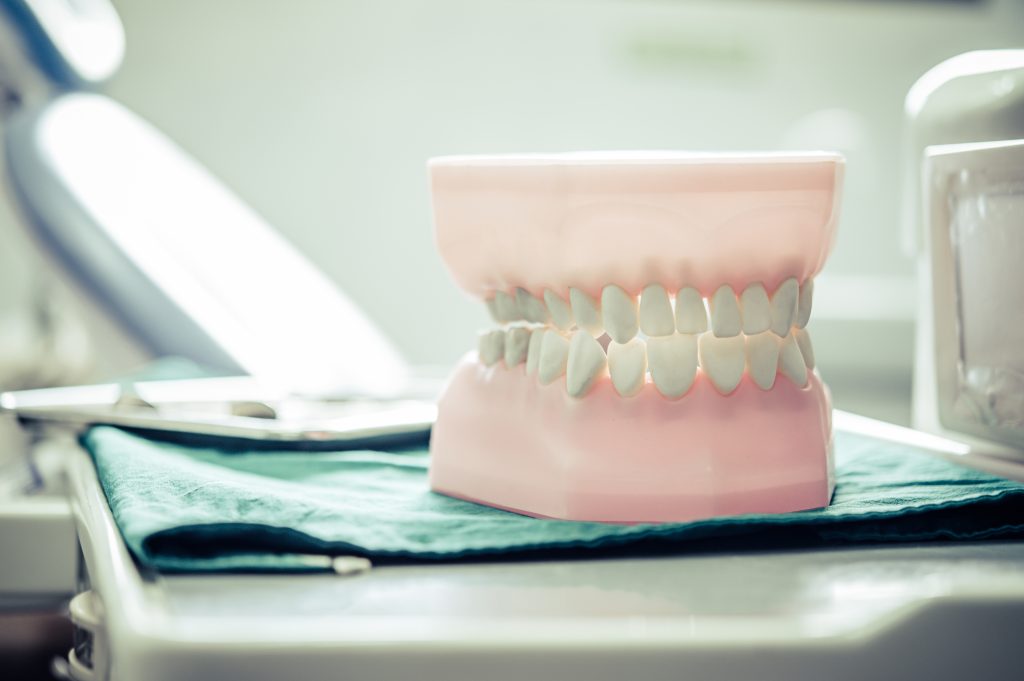
When exploring tooth replacement options, many people ask, “What do I wish I knew before getting dentures?”—and understanding the different types available is an important first step. The type of denture that may suit you depends on how many teeth you’re missing, your oral health status, and your functional needs. Your dentist can assess your situation and discuss which denture option aligns with your circumstances.
Full Dentures Overview
Full dentures are removable prosthetic devices designed to replace all natural teeth in the upper or lower arch. They may be considered when extensive tooth loss has occurred due to decay, gum disease, injury or other oral health conditions. A dentist will assess your oral health, bone structure and functional needs to determine whether full dentures are a suitable option for you.
These prosthetics typically consist of acrylic resin teeth mounted on a gum-coloured base that rests directly on the gum tissue. The upper denture covers the roof of the mouth, while the lower denture is shaped to accommodate the tongue. Outcomes vary between individuals, and proper fit requires professional assessment, regular adjustments and ongoing oral care to support denture function and comfort.
Partial Dentures Overview
Partial dentures are a removable appliance designed to replace several missing teeth when some natural teeth remain in the jaw. They consist of replacement teeth attached to a metal or acrylic framework that connects to your existing teeth using clasps. This design helps restore oral function and appearance while providing support from the surrounding natural teeth and gum tissue.
The specific framework and clasp system used depend on your oral health status and your dentist’s clinical assessment. During consultation, your dentist will evaluate factors such as remaining tooth strength, gum health, and jaw structure to determine suitable options. A thorough examination helps determine whether the partial denture design aligns with your needs and integrates properly with your existing teeth.
Implant-Supported Dentures Overview
Implant-supported dentures use dental implants placed into the jawbone to help stabilise a removable or fixed prosthesis. This approach is designed to provide retention and stability, though outcomes depend on factors such as bone quality, oral health, and individual anatomy. A comprehensive clinical assessment is necessary to determine whether this option is suitable for your circumstances.
Implant-supported dentures may help improve function during eating and speaking for some patients, though outcomes vary based on individual circumstances. Sufficient bone volume is required to support the implants, and additional procedures may be needed if bone levels are inadequate. Implant placement is a surgical procedure. Your dentist will discuss the procedure, potential risks, and whether it’s suitable for your circumstances during the consultation.
What Happens During the Denture Consultation
During your denture consultation, your dentist will perform a thorough oral examination to assess the health of your gums, bone, and remaining teeth. Based on this assessment, they will discuss suitable denture options tailored to your oral condition, functional needs, and long-term oral health goals.
- Comprehensive Oral Examination:
Your dentist will assess your remaining teeth, gums, and jaw to evaluate your overall oral health before recommending any denture treatment. They will also check for potential concerns, such as infections, bone loss, or the need for extractions, which may affect how your dentures fit. - Diagnostic Records and Impressions:
Taking impressions of your mouth helps the dental technician fabricate dentures that are tailored to the shape and contours of your oral anatomy. This process allows for dentures that sit comfortably and help maintain the structural balance and function of your facial muscles. - Discussion of Treatment Goals:
Your dentist will take the time to understand your concerns, expectations, and how tooth loss has impacted your daily function. They will then create a personalised treatment plan that balances aesthetic goals with essential functions like chewing, speaking, and long-term oral health. - Review of Denture Types and Options:
Your dentist will explain the types of dentures available during your consultation, including full, partial, immediate, temporary, and implant-retained dentures. They will also discuss how each option may suit your remaining natural teeth, jaw structure, and personal needs for comfort, function, and aesthetics. - Tailored Recommendations:
Recommendations are based on your oral health, jaw structure, and the number of teeth that may require replacement. Your dentist will explain suitable denture options that align with your specific needs, providing realistic expectations for comfort, function, and long-term durability.
Your first appointment lays the groundwork for creating dentures designed to suit your anatomy and support your long-term oral health needs. Follow-up visits allow your dentist to monitor healing, adjust the fit, and manage any sore spots during the denture adjustment period.
Steps Involved in the Denture Fabrication Process
The denture fabrication process involves several carefully coordinated appointments designed to create a restoration that works with your unique oral anatomy. Each stage builds on the previous one, with your dentist and dental laboratory working together to develop a denture tailored to your needs. While we follow established protocols at every step, individual experiences and outcomes can vary based on factors such as jaw structure, tissue health, and how you adapt to wearing dentures.
Impressions and Records
During your denture preparation, we take impressions of your gums and oral structures to record their shape and position. These impressions capture important details about your bite relationships and mouth contours. The information gathered helps guide the dental laboratory in creating a denture that aligns with your oral anatomy.
Multiple appointments may be required depending on your case, as accurate records are essential for proper denture fabrication. The laboratory uses these diagnostic records as a reference point throughout the manufacturing process. While we aim for precision at every step, final fit and comfort can vary between individuals and may require adjustments.
Bite Registration and Aesthetic Planning
During the bite registration process, your dentist carefully records how your upper and lower jaws meet when your mouth closes naturally. This information helps create a denture that fits your unique jaw relationship and oral structure. The dentist also considers factors like tooth positioning, speech patterns, and overall facial proportions during this planning stage.
This planning phase aims to design dentures that work with your oral features and functional needs. While careful planning supports denture design that considers aesthetic and functional factors, outcomes can vary between individuals. Your dentist will discuss realistic expectations during your consultation, as final results depend on multiple factors, including your jaw structure and tissue characteristics.
Trial Denture Appointment
The trial denture appointment allows you and your dentist to review the preliminary denture while it’s still in wax form. During this visit, your dentist will check how the denture fits, assess your bite alignment, and discuss the overall appearance with you. This collaborative step aims to identify any adjustments that may be needed before the final denture is made.
Adjustments are common at this stage and may involve refining the fit, modifying tooth position, or adjusting the bite. Your feedback is important, as it guides changes to help improve comfort and function where possible. Once you and your dentist are satisfied with the trial denture, it will be sent for final fabrication.
Final Denture Fitting
At your final fitting appointment, your dentist will carefully assess how your denture sits and check its overall comfort and function. This visit includes evaluating the fit against your gums, checking your bite alignment, and making any necessary minor adjustments. Your dentist will also provide guidance on daily care routines, including proper cleaning techniques and proper storage practices.
Initial experiences with new dentures vary considerably between individuals, and an adjustment period is common for most people. Some patients adapt quickly, while others may need time to become comfortable speaking, eating, and managing the denture throughout the day. Follow-up appointments are often scheduled to discuss any concerns, assess the fit, and support you through the settling-in process.
The Adjustment Period with New Dentures
Adapting to new dentures is a gradual and individual process. Knowing what to expect early on can help you adjust with greater comfort and realistic expectations.
- Initial Physical Sensations:
Your mouth adapts to the presence of artificial teeth over time, and it’s normal to notice increased saliva production and a feeling of bulkiness during the first few weeks. The tongue and facial muscles need time to adjust to the new dentures, which can feel unfamiliar at first as your brain learns to accommodate the prosthetic. - Speaking Adjustments:
Learning to speak clearly with dentures may require practice, particularly with certain words or sounds that involve specific tongue positions. Reading aloud at home can help your mouth become accustomed to forming words with the dentures in place. Many patients report gradual speech improvement during the adjustment period, though individual experiences vary. - Eating Modifications:
Start with soft foods such as mashed potatoes or scrambled eggs to gradually adapt your gums and jaw to chewing pressure. As healing progresses and your mouth adjusts, you can slowly introduce other foods, cutting them into small pieces to make chewing easier during the early days. - Managing Discomfort:
Some initial discomfort or sore spots may develop as your gums and tissues adjust to wearing dentures, particularly if you’ve had recent extractions. Follow-up appointments allow your dentist to examine the fit and make adjustments if needed, helping address any areas that are causing soreness or irritation. - Daily Care Requirements:
Proper care includes daily cleaning with appropriate products, removing plaque from the denture surface, and maintaining your gums by brushing them to support oral health. Clean your dentures carefully according to your dentist’s instructions, and discuss suitable cleaning methods during your denture consultation. - Realistic Timeline:
The adjustment period typically spans several weeks, though the exact timeframe depends on factors such as whether you’re wearing immediate dentures after extractions or transitioning to a final denture after your gums heal. Most people notice gradual improvements in comfort and function as their mouth adapts to the new dentures.
While the first few weeks require patience and adjustment, follow-up appointments with your dentist can help monitor your progress and address any concerns that arise during treatment.
Daily Denture Care and Maintenance Considerations
Proper denture care includes daily hygiene routines that help reduce plaque buildup and maintain your mouth’s health. These practices also support the longevity of your dentures and the comfort of the surrounding oral tissues.
- Daily Cleaning Protocol:
Remove and rinse your dentures after each meal to remove food particles and debris. Use a soft-bristled brush specifically designed for dentures, along with a non-abrasive denture cleanser, to clean all surfaces daily. - Careful Handling Practices:
Handle your dentures over a folded towel or a basin of water to minimise the risk of damage if they are dropped. Dentures can be fragile, and careful handling helps preserve their structure. - Overnight Storage Requirements:
When you’re not wearing your dentures, place them in a denture-soaking solution or plain water to keep them moist. This helps maintain their shape and promotes cleanliness overnight. - Oral Tissue Monitoring:
Examine your gums, tongue, and mouth regularly for any changes such as redness, irritation, or sores. If you notice persistent changes or discomfort, contact your dental practitioner for assessment. - Regular Professional Review:
Schedule routine dental appointments so your dentist can assess the fit of your dentures and check the condition of your oral tissues. Professional monitoring supports ongoing oral health management.
Caring for your dentures properly helps keep them in good condition, may extend their functional lifespan, and improve comfort. It also helps maintain overall oral hygiene by preventing plaque buildup, reducing gum irritation, and lowering the risk of oral infections.
How Long Dentures May Last and Factors That Influence Longevity
The lifespan of dentures varies depending on factors such as material quality, oral hygiene habits, and how well they fit over time. Understanding these factors helps patients better plan for future dental care and monitor changes that may affect comfort, function, or long-term oral health.
- Typical Lifespan Range:
Dentures can last for years, though this timeframe can vary depending on individual circumstances and the type of denture used. - Material Quality and Construction:
The materials used in denture fabrication and the precision of construction can influence how well dentures withstand daily use over time. - Bone and Tissue Changes:
Your jawbone and gum tissue naturally change shape over time, which can affect how dentures fit and may necessitate adjustments or replacement sooner than expected. - Usage Patterns and Care Habits:
How often you wear your dentures, the types of foods you eat, and how diligently you maintain them through proper cleaning can all impact their longevity. - Wear and Tear from Daily Function:
Regular activities such as chewing, speaking, and normal oral movements gradually wear down denture materials, particularly the tooth surfaces and base. - Professional Maintenance and Adjustments:
Regular dental visits for professional assessments and timely adjustments can help extend the functional life of your dentures and identify when replacement may be appropriate.
While dentures are designed to be durable, their lifespan varies between individuals. Your dentist can provide guidance on monitoring your dentures and determining when replacement or adjustments may be suitable for your situation.
Cost Considerations and What May Influence Pricing
The cost of dental treatment can vary significantly based on your oral health needs, treatment complexity, and any required preparatory procedures. Your dentist will assess your specific situation during a consultation and provide a tailored treatment plan with a clear breakdown of expected costs.
- Material Selection and Quality:
The type of materials used in your treatment—such as ceramic, porcelain, or metal alloys—can affect the overall cost, as higher-quality materials often require more advanced manufacturing processes. - Diagnostic Requirements:
Comprehensive diagnostic work, including X-rays, scans, or diagnostic models, may be necessary to properly assess your condition and plan treatment, which contributes to the total investment. - Treatment Complexity and Design:
The complexity of your case and the level of customisation required influence the time, experience, and resources needed to achieve suitable results. - Number of Appointments:
Some treatments require multiple visits for preparation, fitting, adjustments, or follow-up care, which can affect scheduling and overall costs. - Laboratory Involvement:
Many dental treatments involve custom work by dental laboratories, where dental technicians create restorations tailored to your specific requirements, adding to the cost. - Clinic Location and Practice Overheads:
Pricing can vary by clinic based on location, equipment quality, staff experience, and operational costs.
Treatment costs vary and depend on your specific dental needs, so we recommend booking a consultation to provide a detailed breakdown tailored to your circumstances.
When to Seek Professional Advice About Dentures
Knowing when your dentures need professional assessment is essential to maintaining your oral health. Changes in fit, comfort, or function may signal the need for dental care.
- Persistent Discomfort or Pain:
Contact your dentist if your dentures cause ongoing pain, sore spots, or irritation that doesn’t improve with initial adjustments. - Changes in Fit:
Seek advice if your dentures become loose, slip during eating or speaking, or feel uncomfortable, as these changes may indicate bone resorption or other structural shifts. - Visible Damage:
Schedule an appointment if you notice cracks, chips, broken teeth, or other damage to your dentures, as a timely professional assessment can help address these concerns. - Difficulty Eating or Speaking:
Consult your dentist if you experience increasing difficulty chewing food or notice changes in your speech that don’t improve with practice. - Gum or Oral Tissue Changes:
Have your dentist examine any redness, swelling, bleeding, white patches, or unusual lumps in your mouth, as these may require assessment. - Time for Routine Review:
Book regular checkups as recommended by your dentist to assess denture fit, oral tissue health, and overall function, even if you’re not experiencing obvious problems.
If you have any questions or concerns about your dentures, contact your dental clinic to discuss whether an appointment is appropriate.
Final Thoughts
Denture experiences vary among individuals, depending on factors such as oral health, bone structure, and patient adaptation. Patients often wonder, “What do I wish I knew before getting dentures?” — and the answer includes realistic expectations about adjustment periods and ongoing care requirements. Understanding the fitting process, maintenance needs, and potential challenges helps patients feel more prepared and informed. A registered dentist’s clinical assessment determines whether dentures are appropriate for your specific situation and goals.
If you have questions about dentures or would like to discuss your circumstances, you’re welcome to contact Maylands Dental Centre. Our team can provide evidence-based information or arrange a consultation to assess your oral health and explore suitable options. We aim to support patients with clear, honest guidance throughout their decision-making process. Feel free to reach out whenever you’re ready to learn more about denture care or suitability.



 General Dentistry
 Cosmetic Dentistry
 Restorative Dentistry
 Dental Implants
 Orthodontics
 Sleep Dentistry
 Childrens Dentist
 Cosmetic Procedures
 Health Funds
 Government Schemes
 Payment Plan Options