

 By Maylands Dental Centre
Having teeth removed for dentures represents a significant transition that often brings questions about healing, pain management, and denture care. Many patients wonder how long recovery takes, what discomfort to expect, and how to properly care for their new dentures. Following post-extraction care instructions may support your healing process and denture adjustment. However, recovery experiences vary considerably between individuals, making professional guidance essential throughout your journey.
This article outlines immediate aftercare steps, healing phases, denture management techniques, and necessary follow-up care. We’ll cover what to expect during the first 24 hours, the early healing period, and the months following your procedure. You’ll learn practical strategies for managing discomfort, caring for your dentures, and supporting your body’s natural healing processes. Maylands Dental Centre provides comprehensive guidance to help patients navigate each stage of their denture journey with ease.
Blog Navigation
- Summary of the Content:
- What Happens During Tooth Extraction for Dentures
- Immediate Post-Extraction Care: The First Day
- Days 2-14: Recovery in the Early Healing Phase
- The Importance of Follow-Up Care
- Weeks 2-8: Continued Healing and Adaptation in the Intermediate Healing Phase
- Ongoing Care After Healing
- What Influences Healing and Adjustment
- Final Thoughts
Summary of the Content:
- Tooth extraction for dentures involves comprehensive planning and preparation. Your dentist will assess your needs to determine whether immediate dentures or conventional dentures after healing are most suitable for your situation.
- The first 24 hours after extraction require careful management of bleeding, swelling, and discomfort. Following post-operative instructions during this period, including guidance on caring for gums after tooth extraction, may help promote proper healing and comfort.
- Early healing involves establishing denture care routines and adjusting to normal recovery responses. Temporary dentures after tooth removal help maintain function and appearance while your gums heal. You’ll learn to clean your dentures, manage oral hygiene, and gradually expand your diet as healing progresses.
- Follow-up appointments allow your dentist to monitor healing and make necessary denture adjustments. Regular communication with your dental team helps address concerns and helps maintain a comfortable denture fit as swelling decreases.
- Long-term denture success requires ongoing maintenance, regular dental visits, and timely professional care when issues arise. Proper daily care and professional monitoring support lasting comfort and function.
What Happens During Tooth Extraction for Dentures
Having multiple teeth removed for dentures involves a more comprehensive process than a single tooth extraction, with specific steps designed to prepare your mouth for denture placement.
- Multiple Extraction Process:
When several teeth require removal, your dentist will perform the extractions following a carefully planned sequence tailored to your needs. The procedure may involve removing all teeth in one appointment, or your dentist may recommend staged procedures based on your specific circumstances. - Bone Preparation:
After tooth removal, your dentist smooths and reshapes the underlying bone to create an even surface that supports a proper fit and comfort for your denture. - Immediate Denture Placement:
Some patients may receive dentures on the same day as their tooth extraction procedure. These immediate dentures are inserted directly after tooth removal to help maintain function and appearance during healing. - Conventional Denture Timeline:
Your dentist may recommend waiting six to eight weeks after extraction before placing dentures. This waiting period allows the gum tissue and bone to heal and stabilise before final denture fabrication. - Individual Assessment Factors:
Extraction complexity varies based on tooth condition, bone structure, and your overall oral health, which your dentist evaluates during your consultation. - Personalised Treatment Planning:
Your dentist determines the most suitable approach for your situation through clinical evaluation of your specific oral health needs and healing considerations.
The treatment approach recommended for you will be based on a thorough assessment of your circumstances, and your dental team will guide you through each step of the process.
Immediate Post-Extraction Care: The First Day
The first 24 hours after teeth are removed is an important period for proper healing. Your actions during this time can influence your comfort level and recovery trajectory in the days ahead.
Managing Immediate Dentures (if placed same day)
If your dentist places immediate dentures on the same day as your tooth extractions, you’ll need to keep them in place for the first 24 hours. The dentures act as a protective covering over the extraction sites, which may help control bleeding and limit swelling during this initial healing period. Biting down on the dentures can help keep them properly seated and may help manage any bleeding.
During the first 24 hours, do not remove your dentures unless you experience excessive bleeding or severe discomfort that requires immediate attention. If swelling develops while the dentures are in place, removing them may make reinsertion difficult or impossible until the swelling subsides. If you have concerns about bleeding, discomfort, or denture fit during this time, contact your dental practice for guidance rather than attempting to remove the dentures yourself.
Controlling Bleeding
Some oozing from extraction sites is normal for 24-72 hours after having multiple teeth removed for dentures. If your dentist provided gauze pads, change them every 30 minutes and bite down to help control bleeding. This controlled pressure may encourage clot formation, an important part of the healing process.
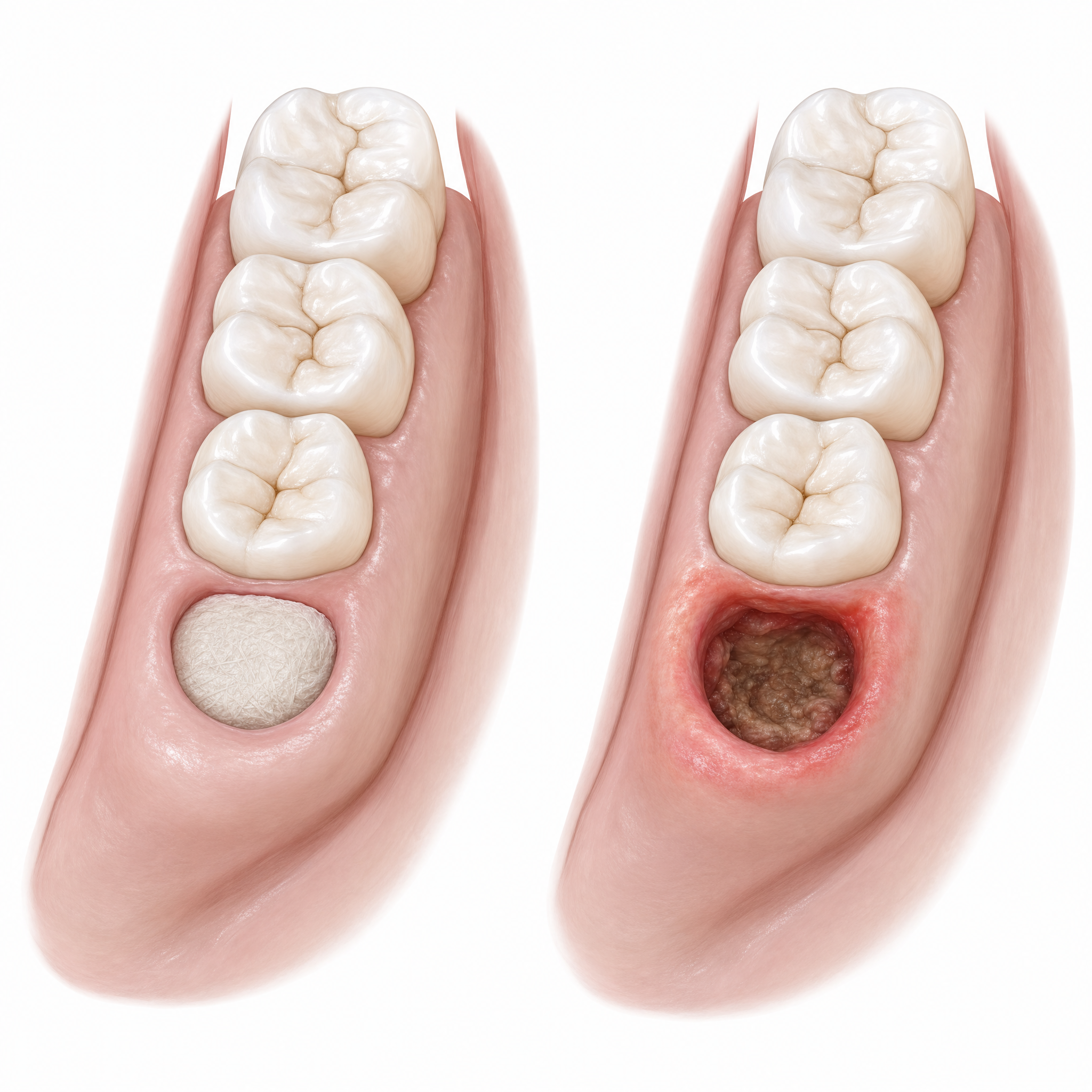
Heavy bleeding that doesn’t respond to pressure may require professional assessment; contact Maylands Dental Centre if this occurs. Avoid rinsing your mouth, spitting, smoking, or using straws for at least 24 hours after your procedure. These activities can dislodge the blood clots that form in the extraction sites, potentially leading to prolonged bleeding or delayed healing.
Managing Swelling and Discomfort
Swelling after tooth extraction for dentures is a normal response as your body begins the healing process. Apply ice packs to the affected areas for 15 minutes on, then 15 minutes off, for the first 24 hours. This may help minimise swelling, though individual responses to cold therapy can vary depending on your circumstances.
Swelling increases for the first two to four days before gradually subsiding over the following week. Your dentist may advise taking prescribed pain medication before the numbness wears off to help manage discomfort. As advised by your dentist, resting with your head elevated on pillows may help reduce swelling during the initial recovery period.
Diet and Hydration
After your extraction, wait until the numbness has completely subsided before eating or drinking. While this typically takes about 90 minutes, the timeline varies by individual. Eating or drinking while your mouth is numb increases the risk of accidentally biting your cheek or tongue without realising it.
Once sensation returns, begin with cool, soft foods that require minimal chewing effort, such as smoothies, yogurt, or applesauce. Lukewarm soup can provide nutrition and comfort, but check if it is warm rather than hot. Staying well-hydrated with water and nutritious liquids supports your body’s natural healing processes during the recovery period.
Days 2-14: Recovery in the Early Healing Phase
The two weeks following tooth extraction are an important period when your mouth begins to adapt to dentures while the extraction sites heal. During this phase, you’ll establish care routines, notice normal healing responses, and gradually expand your diet as comfort improves.
Denture Care During Early Healing
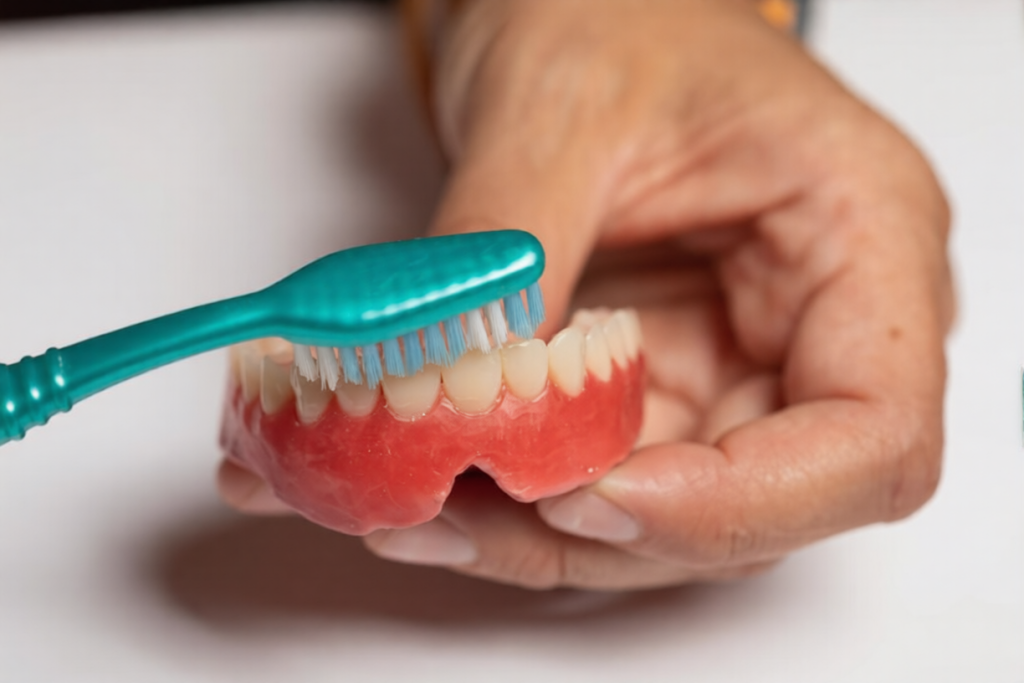
After the first 24 hours, your dentist may advise removing your dentures twice daily to rinse your mouth with warm salt water. Clean your dentures with a soft-bristled brush and water, or with an appropriate denture cleanser, to remove debris and bacteria. It’s important to replace your dentures immediately after cleaning, as prolonged removal during this early phase may allow swelling that prevents comfortable reinsertion. Your dentist will recommend leaving dentures out overnight after the first week, allowing your gum tissue to rest and supporting ongoing oral health.
Oral Hygiene and Healing Support
After the first 24 hours following tooth extraction, rinsing your mouth with warm salt water can help maintain cleanliness around the healing sites. Your dentist may recommend rinsing with warm salt water (approximately one teaspoon of salt in eight ounces of warm water) three to four times daily. Avoid vigorous swishing, as it may disrupt the healing of delicate tissues and dislodge protective blood clots. During the early healing phase, do not brush directly over the extraction sites, but continue oral hygiene in unaffected areas.
Normal Healing Responses
Your body responds to tooth extraction and new dentures in several ways that are part of normal healing. You may notice increased saliva production as your mouth adjusts to the dentures over the first few weeks. Minor bleeding may continue for two to three days, while swelling peaks around days two to four and then gradually decreases. Some patients experience sore spots where dentures contact gums, temporary difficulty speaking clearly, a feeling of fullness, and occasional bruising or discolouration around the face and neck.
Dietary Progression
During the first week after tooth extraction, focus on soft, nutritious foods like eggs, fish, pasta, cooked vegetables, and soft fruits. As your comfort improves, you can gradually introduce firmer textures into your diet. Avoid hard, crunchy, sticky, or chewy foods during the early healing phase, as they may disrupt the extraction sites or dislodge your dentures. Small, frequent meals are often easier to manage than large portions, helping you maintain nutrition while your mouth adjusts to dentures.
Activities to Avoid
During the early recovery period after tooth extraction for dentures, certain activities may interfere with proper healing and should be avoided. Smoking should be avoided for at least 72 hours, as it can delay healing and increase the risk. Alcohol consumption should also be avoided for at least 48 hours, as it can interfere with blood clotting and medication effectiveness. Strenuous physical activity and excessive talking should be limited during the first few days, as these activities may increase blood pressure and disrupt healing at the extraction sites.
The Importance of Follow-Up Care
Regular communication with your dental team during the healing process helps support your recovery progressing as expected. These appointments provide opportunities to address concerns early and make necessary adjustments that enhance your comfort as your mouth adapts to dentures.
First Week Check-Up
Your first follow-up appointment, typically scheduled within three to seven days after extraction, allows your dentist to assess how your gums are healing. During this visit, any sore spots, pressure points, or areas of rubbing can be identified and adjusted to improve comfort. If non-dissolvable stitches were used, your dentist may remove them at this appointment, while dissolvable stitches will fall out naturally over time. Your dentist may also apply temporary reline material to help your dentures fit more comfortably as swelling decreases and tissues continue to heal.
Ongoing Adjustment Period
Your dentures will likely need several adjustments during the first few months after extraction. As your gums and bone continue to heal and reshape, what initially felt comfortable may change over time. These regular adjustment appointments help address pressure points and maintain proper fit as swelling decreases. Keeping your dental team informed of any discomfort or fit concerns allows them to make timely adjustments to support your comfort.
When to Contact Your Dentist
While some discomfort after tooth extraction is normal, certain symptoms warrant professional attention. Contact your dental practice if bleeding continues heavily or if pain remains uncontrolled by prescribed medication. Signs of possible infection—such as fever lasting more than 48 hours, worsening swelling after day four, or a persistent unpleasant taste—should be assessed. Seek immediate care for dentures that cannot be reinserted, severe discomfort, or allergic reactions like rash, hives, or breathing difficulties.
Weeks 2-8: Continued Healing and Adaptation in the Intermediate Healing Phase
As you move beyond the initial recovery period, your mouth enters a phase in which healing continues beneath the surface while you learn to live with your new dentures. This intermediate stage involves both physical changes in your gum tissue and bone, as well as developing the skills and routines needed for denture care and everyday function.
Physical Healing Progression
After tooth extraction for dentures, your gum tissue begins closing within six to eight weeks, though individual healing timelines vary. The bone beneath your gums continues to reshape over a longer period of six to eight months as your jaw adjusts. As swelling gradually decreases during this time, you may notice changes in how your dentures fit, which is a normal part of healing. Sore spots often diminish with proper denture adjustments from your dentist, and sensitivity when eating should progressively improve each week.
Learning to Function with Dentures
Learning to function with dentures involves adapting to how they feel and move in your mouth. Speaking may feel awkward at first, but practising by reading aloud can help your mouth adjust to forming words clearly. Eating requires developing new techniques, such as taking smaller bites, chewing carefully, and distributing pressure evenly on both sides of your mouth. Your body adjusts within the first few weeks, though individual experiences vary, and patience supports the learning process.
Dietary Expansion
As your healing progresses, you can gradually introduce a wider variety of foods based on your comfort level. Continue avoiding very hard, sticky, or extremely chewy foods during the healing phase, as these may cause discomfort or affect your dentures. Practising with different food textures can help build your familiarity and allow you to discover what works most comfortably for you. If certain foods cause discomfort, note them and discuss them with your dentist during your follow-up appointments.
Denture Care Routine
Removing your dentures at night allows your gum tissue to rest and recover, which may help maintain oral health over time. Clean your dentures daily with a denture cleanser and a soft-bristled brush to remove food particles, plaque, and bacteria that accumulate throughout the day. If your extraction sites have healed and there’s no remaining soreness, brush your gums with a soft-bristled toothbrush to stimulate circulation and maintain tissue health. When your dentures are out, store them in clean water or denture solution to prevent them from drying out, warping, or becoming damaged.
Managing Expectations
During the first few months, your temporary dentures may feel increasingly loose as post-extraction swelling gradually subsides and gum tissue heals. This looseness is a normal part of the healing process, as your jawbone and gums are actively reshaping themselves. Your dentist can make adjustments to improve comfort, but temporary dentures after tooth removal often require multiple modifications before your mouth fully stabilises. Once healing is complete—after several months—your dentist will fabricate final dentures that fit your reshaped gums more precisely and comfortably.
Ongoing Care After Healing
Once your extraction sites have fully healed and you’ve adjusted to wearing dentures, establishing a consistent care routine helps maintain your dentures and your oral health over the long term. This phase focuses on transitioning to dentures, developing daily maintenance habits, attending regular dental appointments, and recognising when professional adjustments may be needed.
Permanent Denture Transition
After your gums and bone have fully healed—typically within six to eight months—your dentist can begin creating your dentures. These final dentures are custom-fitted to your stabilised oral tissues, providing a more precise fit than temporary dentures worn during healing. Your dentist takes detailed impressions of your healed gums and bone structure so that your dentures are tailored to your current mouth shape. Even with this precise fitting, your dentures may still require periodic adjustments or relining as natural bone changes continue over time.
Daily Denture Maintenance
Cleaning your dentures thoroughly at least once daily helps remove food particles, plaque, and bacteria that can accumulate during wear. Before inserting your dentures each morning, brush your gums, tongue, and palate with a soft-bristled toothbrush to stimulate circulation and remove overnight debris. Rinsing your dentures after eating, when possible, can help prevent staining and keep them feeling fresh throughout the day. Using products specifically designed for denture care—rather than regular toothpaste, which may be too abrasive—helps maintain the denture material and supports your ongoing oral health.
Regular Dental Visits
Even with full dentures, regular dental check-ups remain important for monitoring your oral health. Your dentist can assess gum tissue health, track bone changes, and evaluate how well your dentures fit over time. Professional examinations can identify potential concerns early, before they become more complex issues requiring extensive intervention. As your jawbone naturally changes throughout life, dentures may require professional relining or replacement over time, depending on individual circumstances, to maintain proper fit and function.
Recognising When Professional Care Is Needed
While minor adjustments are normal during the healing process, certain signs indicate you should contact your dentist promptly. Persistent sore spots that don’t improve with time may require professional denture adjustments to prevent tissue damage. Dentures that feel increasingly loose can affect your ability to eat and speak comfortably, and may indicate bone changes. Difficulty eating or speaking that worsens over time, changes in how your teeth meet when biting, or visible cracks in your dentures all warrant professional assessment. Your dental team can evaluate these concerns and recommend appropriate options to restore comfort and function.
What Influences Healing and Adjustment
Recovery after tooth extraction for dentures varies among individuals. Several factors can affect your healing timeline and adjustment experience.
- Number of Teeth Extracted:
The complexity of your procedure may affect healing time; multiple extractions require more recovery time than single-tooth removal. - Overall Health and Age:
Your general health status and age can affect how your body responds to the extraction procedure and adapts to dentures. - Bone and Gum Tissue Quality:
The density of your jawbone and the condition of your gum tissue may impact both initial healing and long-term denture fit.
Medications and Health Conditions Certain medications, such as blood thinners, and existing health conditions may influence your body’s healing response.
- Smoking Status:
Tobacco use can delay tissue healing and may increase the risk of complications during recovery. - Nutrition and Hydration:
Adequate nutrition and proper hydration support your body’s natural healing processes following extraction. - Post-Operative Care Compliance:
Consistently following your dentist’s specific instructions, including guidance on caring for gums after tooth extraction, may help promote a smoother recovery. - Pre-Existing Oral Health:
Any existing gum disease or oral health concerns may affect your denture adjustment period with new dentures. - Previous Denture Experience:
Your familiarity with wearing dentures, whether you’re a first-time wearer or transitioning from previous dentures, can affect your adaptation.
Your dentist will assess your circumstances and provide personalised guidance tailored to your situation and health profile.
Final Thoughts
Recovery after tooth extraction for dentures involves several distinct phases, each requiring different care. Following your dentist’s post-operative instructions can promote optimal healing and help you adjust more comfortably to your dentures. The denture adjustment period requires patience, but patients often report that it becomes easier as the weeks progress. Maintaining open communication with your dental team throughout recovery allows them to address concerns promptly and make necessary adjustments.
While recovery timelines vary based on individual factors, many patients adapt to dentures with proper care and professional guidance. If you experience persistent discomfort, fitting issues, or have questions about your healing progress, contact your dental provider for guidance. Our experienced dental team at Maylands Dental Centre in Perth provides comprehensive care and support throughout your denture journey.


 General Dentistry
 Cosmetic Dentistry
 Restorative Dentistry
 Dental Implants
 Orthodontics
 Sleep Dentistry
 Childrens Dentist
 Cosmetic Procedures
 Health Funds
 Government Schemes
 Payment Plan Options