

 By Maylands Dental Centre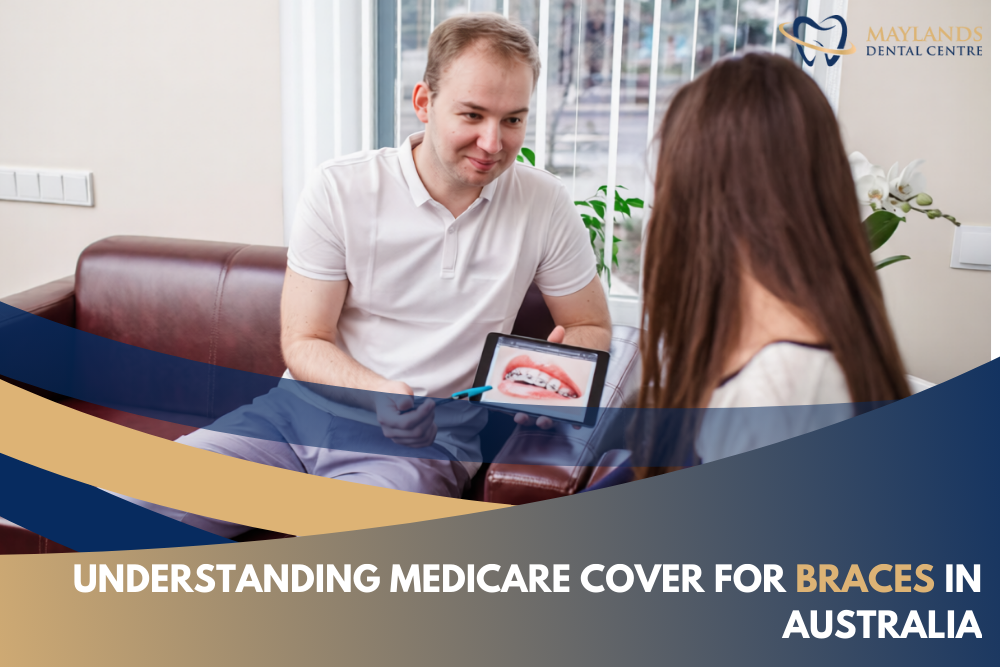
If you’re researching orthodontic options, the cost of treatment is likely a significant concern. Many Australian families wonder whether Medicare cover for braces can help manage these expenses. The direct answer is that Medicare generally does not cover braces or orthodontic treatment for most patients.
Understanding available funding options can help you plan financially. Whilst Medicare typically doesn’t contribute to orthodontic costs, there are pathways that may make treatment more manageable. Some families access assistance through private health funds, whilst others use payment plans offered by dental clinics.
This guide explains Medicare’s position on orthodontic treatment and rare exceptions where Medicare may contribute. It clarifies misconceptions about the Child Dental Benefits Schedule and outlines alternatives for managing costs. You should discuss your specific needs with a qualified dental professional.
Blog Navigation
- Summary of the Content:
- Understanding Medicare Cover for Orthodontics
- Rare Exceptions - When Medicare May Contribute
- Child Dental Benefits Schedules (CDBS) Explained
- Private Health Funds for Orthodontics
- Understanding Treatment Costs Without Medicare
- Public Dental Services and Limited Access Programs
- Practical Steps for Families Considering Orthodontic Treatment
- Final Thoughts
Summary of the Content:
- Medicare typically does not cover braces or orthodontic treatment, as these services are considered elective.
- Rare exceptions apply to patients with cleft lip or cleft palate, or those requiring hospital-based surgical orthodontic treatment.
- The Child Dental Benefits Schedule does not cover orthodontic treatment.
- Private health funds offering additional cover may provide partial orthodontic benefits, subject to waiting periods and lifetime limits.
- Treatment costs typically range from $6,000 to $10,000, depending on the complexity and type of appliance.
- Payment plans can help families manage orthodontic expenses over time.
- Public dental services offer limited orthodontic programs with strict eligibility criteria.
Understanding Medicare Cover for Orthodontics

What Medicare Is Designed to Cover
Medicare is Australia’s universal health care system, providing subsidised access to essential medical and hospital services. The program primarily covers medically necessary services, including general practitioner visits, special dental consultations, hospital treatment, and specific dental procedures when provided in hospital settings.
Medicare focuses on services that address immediate health concerns or prevent serious medical complications, and routine dental care and orthodontics are not covered under standard Medicare.
Why Orthodontics Isn’t Covered
Orthodontic treatment is generally classified as elective rather than medically necessary. Medicare does not include routine dental services or orthodontic treatment in its benefits schedule, regardless of whether the treatment is provided to children, teenagers, or adults.
The decision to exclude orthodontics reflects how the healthcare system categorises treatment types. Whilst orthodontics can provide functional benefits, most cases aren’t considered urgent medical needs requiring government subsidy.
Medicare Benefits Schedule Context
The Medicare Benefits Schedule (MBS) lists health services for which Medicare provides claims. Whilst orthodontic item numbers exist in the MBS, they apply only to very specific circumstances involving complex medical conditions or hospital-based treatment.
Having a Medicare card does not automatically mean you’ll receive Medicare orthodontic cover for standard braces or clear aligner treatment. The vast majority of orthodontic patients fall outside Medicare’s funding parameters.
What This Means for Patients
Most Australians seeking braces should plan to cover costs through private health funds, dental clinic payment plans, or out-of-pocket expenses. Medicare typically does not cover orthodontic consultations, diagnostic records, braces, aligners, or retainers provided in private dental clinic settings.
Rare Exceptions - When Medicare May Contribute
Whilst Medicare cover for braces doesn’t typically exist, there are some circumstances in which Medicare can contribute towards orthodontic costs. These situations are rare and apply to a very small percentage of patients.
Cleft Lip and Palate Conditions
Medicare may cover orthodontic treatment for patients with a diagnosed cleft lip, cleft palate, or related craniofacial conditions. This happens because orthodontic intervention in these cases is considered part of comprehensive medical management.
Children born with cleft conditions often require multiple surgical procedures throughout development, and orthodontic treatment supports these surgical outcomes. Eligibility typically requires documentation from the dentist confirming medical necessity.
Cover may be partial, and families often still face substantial out-of-pocket costs. The treatment plan must demonstrate how orthodontics fits into the overall medical management.
Hospital-Based Surgical Cases
Orthodontic treatment may receive partial Medicare cover when provided as an inpatient service in a public hospital for complex surgical cases. This typically applies to orthognathic surgery cases involving severe functional impairment.
These cases might include severe jaw discrepancies affecting breathing, eating, or speech. When orthodontic treatment is provided as part of hospital-based care, some Medicare benefits may apply. However, the level of cover is specifically for the hospital-based component.
Public hospital waiting lists for these cases can be lengthy, and eligibility criteria are assessed strictly based on functional impairment.
Important Caveats
These exceptions apply to a very small percentage of orthodontic patients. Eligibility is assessed on a case-by-case basis by medical professionals and Medicare administrators.
Patients should not assume Medicare orthodontic cover even if they have one of these conditions. Verification through formal assessment is essential before making financial decisions.
How to Verify Eligibility
Patients who believe they may qualify should discuss their circumstances with their dental professional. Direct contact with Services Australia (132 011) can clarify the cover for specific circumstances.
For complex medical cases, treatment plans should be submitted for pre-approval where possible to avoid unexpected costs.
Child Dental Benefits Schedules (CDBS) Explained
Many parents searching for information about the Child Dental Benefits Schedule braces funding, discover CDBS, and hope it will help cover orthodontic costs. This section provides critical clarification.
What is the CDBS
The Child Dental Benefits Schedule provides up to $1,132 in benefits over two consecutive calendar years for eligible children aged 0-17. The program aims to improve access to basic dental services for children in families receiving certain government payments. CDBS was established in 2014 and is means-tested based on family payments.
Many families incorrectly assume that child dental benefits schedule braces funding exists within CDBS. The Child Dental Benefits Schedule does not cover orthodontic treatment. This includes braces, clear aligners, retainers, or any orthodontic appliances. This exclusion is explicitly stated in Services Australia guidelines.
What CDBS Does Cover
CDBS benefits can be used for basic dental services, including check-ups, professional cleaning, dental x-rays, fissure sealing, fillings, root canal treatment, and extractions. Services are provided at participating dental clinics.
CDBS Eligibility
Children must be aged 0-17 for at least one day of the calendar year. They must be eligible for Medicare and live in a family receiving Family Tax Benefit Part A. Alternatively, the child may receive certain Australian Government payments directly.
Eligibility is assessed automatically by Services Australia at the beginning of each calendar year. Check eligibility through your myGov Medicare online account or by calling Services Australia on 132 011.
Why This Matters for Orthodontic Patients
Whilst CDBS won’t cover braces, it can help cover routine dental care required before or during orthodontic treatment in Perth. This allows families to allocate more resources towards orthodontic costs.
Some preliminary diagnostic work, such as x-rays or extractions, may be covered under CDBS before orthodontic treatment begins.
Private Health Funds for Orthodontics
Private health funds remain the primary pathway for Australians seeking financial assistance with orthodontic costs.
How Orthodontic Cover Works
Orthodontic benefits are available through Ancillary cover, not hospital cover. You must specifically choose a policy that includes orthodontics as a benefit.
Waiting Periods
Most funds impose a 12-month waiting period specifically for orthodontics. This means no benefits can be claimed for services provided within the first 12 months of holding orthodontic cover.
Waiting periods apply to new members and existing members who upgrade their policy. You cannot avoid the waiting period by switching funds.
Annual Limits
Many funds cap the amount that can be claimed per calendar year. Annual limits typically range from $300 to $1,000, depending on the policy tier.
Lifetime Limits
Most orthodontic benefits include a lifetime maximum per person, typically ranging from $1,500 to $3,000. Once this limit is reached, no further orthodontic benefits are available from that fund.
Switching funds does not reset your lifetime limit—claim history typically transfers with you.
Benefit Payment Structures
Some funds pay a percentage of fees (commonly 50% or 60%) up to caps. Others pay in specific dollar amounts. Benefits are usually paid as claims after treatment rather than upfront discounts.
HICAPS claiming allows immediate claims at participating dental clinics.
Cost-Benefit Analysis
Calculate whether paying for Ancillary cover makes financial sense, given limitations. Consider total dividends during the waiting period and treatment, compared to total benefits received.
What to Ask Your Health Fund
Contact your fund to clarify the specific orthodontic waiting period, annual and lifetime benefit limits, whether benefits are expressed as a percentage or a specific dollar amount, and how to claim benefits.
Understanding Treatment Costs Without Medicare
Since Medicare typically doesn’t contribute to orthodontic costs, understanding actual prices helps families plan realistically. Orthodontic treatment in Perth is generally consistent with national averages.
Typical Costs
Traditional metal braces typically cost $6,000-$9,000 for comprehensive treatment. Ceramic braces typically cost between $7,000 and $10,000. Clear aligner systems typically range from \$6,000 to \$9,000, depending on complexity.
Treatment costs depend on complexity, duration (typically 12-24 months), and location.
What’s Typically Included
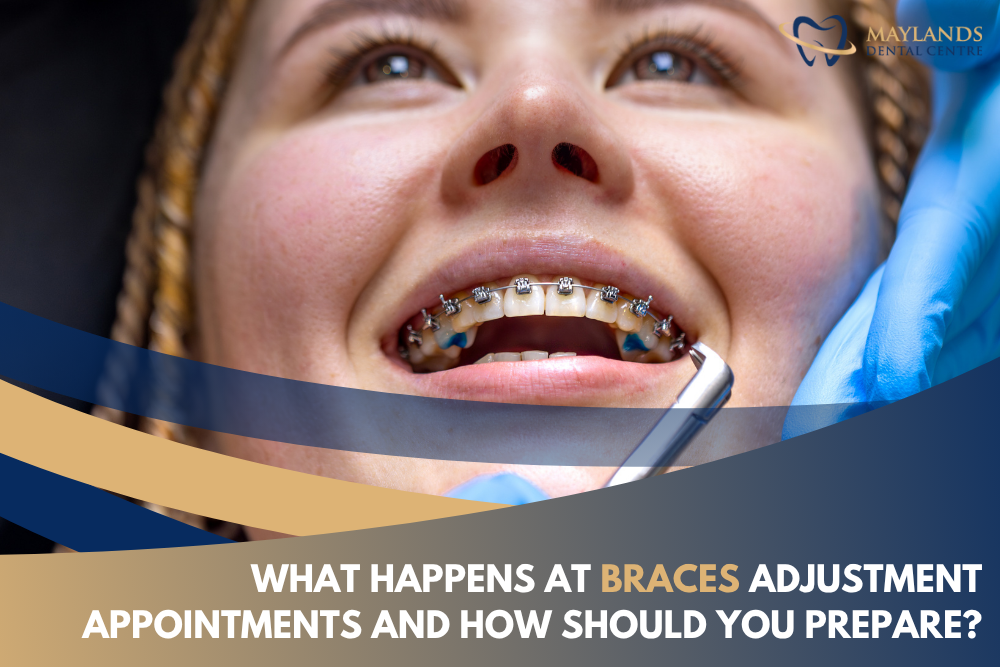
Comprehensive fees generally include an initial consultation and diagnostic records, treatment planning, appliance placement, regular adjustment appointments (usually monthly), appliance removal, retainers, and post-treatment monitoring.
Payment Options
Many dental clinics offer interest-free payment plans, allowing monthly or fortnightly instalments spread across the treatment duration. Some offer discounts for upfront payment.
Health Fund Contributions
If eligible through private health funds, benefits can typically be claimed progressively throughout treatment. Some dental clinics offer HICAPS claiming for immediate claims.
Transparent Fee Discussion
Qualified dentists should provide written treatment plans with clear fee breakdowns before you commit to treatment.
Public Dental Services and Limited Access Programs
Public dental services offer limited orthodontic programs in some Australian states, though eligibility is extremely restricted, and availability doesn’t meet demand.
Public Dental Service Programs
Some states provide orthodontic services through public dental clinics for children and adolescents with severe functional or developmental needs. Availability varies significantly between states.
These programs address severe cases where functional impairment significantly affects quality of life.
Strict Eligibility Requirements
Patients must demonstrate severe functional impairment affecting eating, speech, or oral health. Most programs require families to hold health care cards.
Clinical need is assessed independently by dental professionals.
Important Limitations
Waiting lists often extend to multiple years. Limited capacity means many eligible patients may not receive treatment. Treatment is prioritised by clinical need.
How to Access
Access begins with a referral from a dentist or medical practitioner. Contact your state’s public dental service to understand specific programs. In Western Australia, public dental services are available through WA Health.
Practical Steps for Families Considering Orthodontic Treatment
Initial Consultation
Schedule a consultation with a qualified dentist who offers orthodontic services. Many dental clinics offer complimentary or low-cost initial consultations.
The consultation should include an assessment and discussion of suitable treatment options, along with fee estimates.
Financial Planning Strategies
Check your private health fund if you have Ancillary cover. Request detailed written treatment plans outlining all costs.
Plan for waiting periods if considering health funds with orthodontic benefits.
Questions to Ask
Ask about total treatment cost, what’s included, available payment plan options, expected treatment duration, and which orthodontic item numbers apply for health fund claims.
Timing Considerations
If using a private health fund, consider timing treatment to maximise benefits across calendar years. For children, early assessment can help identify whether early intervention might prevent more complex treatment later.
Importance of Professional Assessment
General information cannot replace individual professional consultation. Only qualified dental professionals can assess your specific situation and recommend appropriate treatment options.
Final Thoughts
For families seeking clarity on Medicare cover for braces, the key point is that Medicare does not cover routine orthodontic treatment for most Australian patients. Limited exceptions exist for specific medical conditions, such as a cleft lip or a cleft palate.
The Child Dental Benefits Schedule provides valuable benefits for basic dental services, but specifically excludes orthodontic treatment.
Private health fund Ancillary cover can provide some financial assistance, subject to waiting periods, annual limits, and lifetime maximums. Payment plans offered by dental clinics can make treatment more manageable.
Whilst Medicare doesn’t fund orthodontic treatment for most Australians, understanding available pathways helps families plan effectively. Professional consultation provides personalised guidance about treatment options and costs. Several options exist for managing orthodontic expenses, from private health funds and payment plans to prioritising treatment within family budgets.
Families considering treatment should begin with a professional consultation at a dental clinic offering orthodontic services, such as Maylands Dental Centre. Discuss financial options openly with your dental professional. If you have a private health fund, verify your level of cover before beginning treatment. Contact your fund directly to confirm waiting periods, benefit limits, and claiming procedures. Understanding these Medicare policies and alternative funding pathways helps with realistic treatment planning.
Many Australian families successfully manage orthodontic treatment costs through careful planning and payment options available through dental clinics. Professional consultation provides clarity about what treatment involves and what it costs in your specific situation.
Early consultation helps with financial planning, and understanding your options empowers you to make decisions that work for your family.


 General Dentistry
 Cosmetic Dentistry
 Restorative Dentistry
 Dental Implants
 Orthodontics
 Sleep Dentistry
 Childrens Dentist
 Cosmetic Procedures
 Health Funds
 Government Schemes
 Payment Plan Options