

 By Maylands Dental Centre
Many people put off orthodontic treatment because they’re worried their teeth aren’t healthy enough for braces. You might be wondering whether you can get braces with poor oral health. The short answer is usually yes, but there’s an important consideration. Any existing dental issues need to be addressed before your orthodontic journey can begin.
Healthy teeth and gums form the foundation for successful orthodontic treatment. When braces apply pressure to move your teeth, they rely on strong bone and healthy gum tissue to support that movement. Starting orthodontic treatment with underlying dental problems can lead to complications that may affect your results.
This is where pre-treatment requirements for braces come into play. Your dentist assesses your oral health and creates a timeline to address any concerns before brackets are placed. Think of it as laying the groundwork for a smoother, more predictable treatment experience.
If you’ve been told your teeth are “too damaged” for braces, don’t lose hope. Many dental issues, from cavities to gum inflammation, can be managed before orthodontic treatment begins. The orthodontic treatment preparation phase may add some time to your overall journey, but it’s designed to set you up for better long-term outcomes.
Every situation is different, and what matters most is getting a thorough assessment from qualified dental professionals who can guide you through the process step by step.
Blog Navigation
- Summary of the Content:
- What Qualifies as Poor Oral Health?
- Why Oral Health Matters for Orthodontic Treatment
- Common Dental Issues That Must Be Addressed Before Braces
- What to Expect During Pre-Treatment
- Maintaining Oral Health During Orthodontic Treatment
- Can You Get Braces If You Have Severe Oral Health Issues?
- Benefits of Addressing Oral Health Before Braces
- Final Thoughts
Summary of the Content:
- You can typically get braces with poor oral health, but existing dental issues usually need to be addressed first.
- Common problems like cavities, gum disease, and plaque buildup may temporarily delay your orthodontic treatment.
- Understanding dental health requirements for braces helps you know what to expect during the preparation phase.
- Pre-treatment can take anywhere from a few weeks to several months, depending on the severity of your dental concerns.
- Proper orthodontic treatment preparation involves comprehensive examinations, addressing decay or infection, and establishing good oral hygiene habits.
- Maintaining oral health during braces requires enhanced cleaning routines and dietary adjustments.
- Most people with oral health concerns can eventually get braces with the right preparation and care.
- Working closely with your dental team helps create a realistic timeline and personalised approach for your circumstances.
What Qualifies as Poor Oral Health?
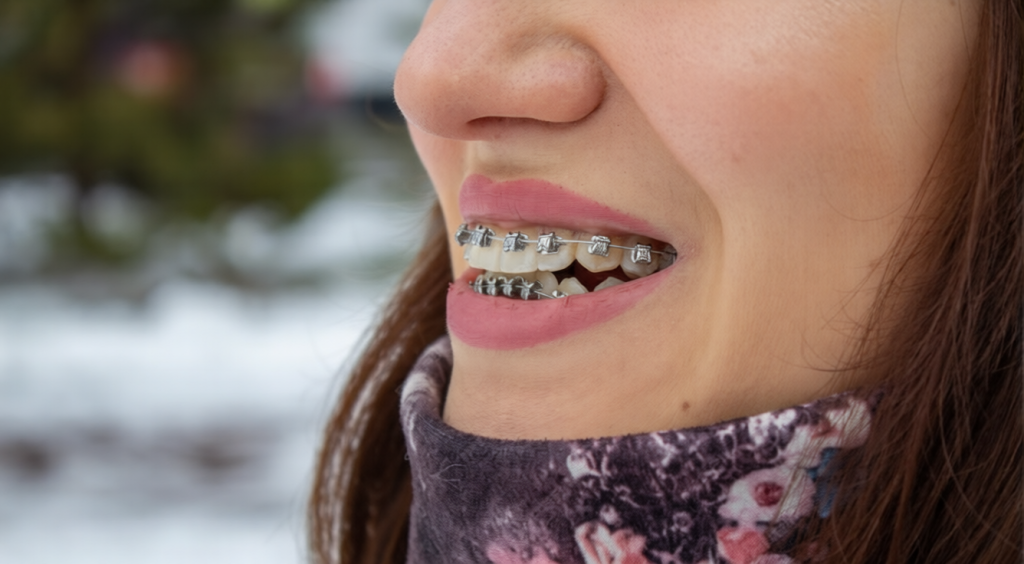
Poor oral health isn’t a single condition; instead, it exists on a spectrum from mild concerns to more serious issues. Understanding where you fall on this spectrum can help you anticipate what dental health requirements for braces might apply to your situation.
- Active tooth decay:
This is one of the most common issues that needs attention before braces. Cavities, whether small or large, create weak spots in your teeth that can worsen when covered by orthodontic brackets. - Gum disease:
It ranges from mild gingivitis (inflamed gums that bleed easily) to more advanced periodontitis (in which the supporting bone and tissue are affected). Both conditions can impact your eligibility for immediate orthodontic treatment. - Tartar and plaque buildup:
This indicates that oral hygiene habits may need improvement. Plaque is the soft, sticky film that forms on teeth daily, while tartar is hardened plaque that can only be removed by a professional. - Enamel erosion or demineralisation:
This condition appears as white spots or weakened areas on your teeth. It can be caused by acidic foods, certain medications, or inadequate oral care. - Missing teeth that haven’t been addressed:
This problem may require space maintenance or strategic planning before braces can be placed. - Poor oral hygiene:
If you’re not consistently brushing and flossing effectively, your dentist may want to see improvement before adding braces, which create additional cleaning challenges.
Some of these issues may not be immediately visible to you. A comprehensive dental examination can reveal concerns you weren’t aware of, which is why professional assessment is so important before starting orthodontic treatment.
Why Oral Health Matters for Orthodontic Treatment
You might wonder why your teeth and gums need to be in good condition before getting braces. The reasons come down to how orthodontic treatment works and what your mouth needs to support it.
- Bone and tissue support:
Braces apply controlled pressure that gradually shifts teeth through the surrounding bone. Healthy bone structure and gum tissue are needed to support this movement properly. When gum disease and braces are combined without proper preparation, the weakened supporting structures may not respond well to orthodontic forces. - Infection risk:
Active infections in your mouth, whether from untreated cavities or gum disease, can potentially worsen during orthodontic treatment. The presence of brackets and wires creates additional surfaces where bacteria can accumulate, which may aggravate existing problems. - Treatment complications:
These can arise when existing cavities are covered by brackets. Decay can progress beneath the surface, becoming harder to detect and more difficult to address without removing orthodontic hardware. - Treatment effectiveness:
This may be compromised when gums are unstable. Inflamed or receding gums can affect how teeth move and whether they stay in their new positions after treatment. - Extended treatment time:
This is a common consequence of starting braces before addressing oral health issues. Problems that arise mid-treatment can cause delays, additional appointments, and potentially longer overall treatment duration.
Orthodontic appliances also create additional cleaning challenges. Brackets, wires, and bands provide extra surfaces where food particles and bacteria can collect. If oral hygiene is already a struggle, these challenges become even more significant during active treatment.
Common Dental Issues That Must Be Addressed Before Braces
Before braces can be placed, certain dental conditions typically need attention. Understanding these issues and how they’re managed can help you prepare for your orthodontic treatment. The goal is to create a healthy foundation that supports successful tooth movement.
Cavities and Tooth Decay
Cavities are areas of damage to your teeth caused by bacterial acids. Even small cavities often need to be filled before brace placement, and there are good reasons for this approach.
Once brackets are bonded to your teeth, assessing decay becomes more challenging. Your dentist may need to remove brackets to properly address cavities that develop or worsen during treatment. This is an inconvenience that adds time and cost.
Small cavities might seem harmless, but they can progress while hidden beneath orthodontic hardware. Addressing them proactively, even minor ones, helps prevent mid-treatment complications.
The cavity-filling process usually involves examining to identify all areas of decay, removing the damaged tooth structure, and placing filling material. Depending on the severity and number of cavities, you may need one or several appointments. Some fillings require a short waiting period before braces can be placed to allow the material to fully set.
Gum Disease (Gingivitis and Periodontitis)
Gum disease exists on a spectrum, and understanding where you fall helps determine your treatment timeline. The relationship between gum disease and braces is important because healthy gums are essential for proper tooth movement.
Gingivitis is the milder form of gum disease. Symptoms include red, swollen gums that bleed easily when brushing or flossing. The good news is that gingivitis is generally reversible with proper care. Mild gingivitis may respond well within a few weeks of improved care.
Periodontitis is more serious. It occurs when gingivitis progresses and begins affecting the bone and connective tissue supporting your teeth. Symptoms may include persistent bad breath, gum recession, and, in advanced cases, loose teeth. More severe cases of gum disease and braces preparation can require several months of treatment before clearance is given.
According to a study, active periodontal disease generally temporarily disqualifies patients from orthodontic treatment. Another study mentioned that patients with periodontal disease require careful assessment and management before orthodontic intervention to reduce the risk of further attachment loss.
Treatment options depend on severity. A professional scale and clean removes plaque and tartar buildup. Your dentist may recommend an improved home hygiene routine with specific techniques and tools. For advanced periodontitis, periodontal therapy—which may include deep cleaning below the gumline—might be necessary.
Plaque and Tartar Buildup
Plaque is the soft, sticky bacterial film that forms on teeth throughout the day. When plaque isn’t removed through regular brushing and flossing, it hardens into tartar (also called calculus) within 24-72 hours. Tartar can only be removed with professional dental instruments.
Braces create additional surfaces—brackets, wires, bands, and the spaces around them—where plaque and tartar can accumulate. Patients who already struggle with buildup may find these challenges magnified during orthodontic treatment.
Professional cleaning before braces is often required to remove existing tartar and give you a fresh start. This also provides a baseline for monitoring your oral health throughout treatment.
Many dentists want to see evidence of good hygiene habits before placing braces. If your dental team has concerns about your ability to maintain clean teeth, they may delay treatment until you’ve demonstrated consistent improvement. This isn’t meant to be discouraging; it’s about setting you up for success rather than complications.
Other Dental Conditions
Several additional conditions may need attention as part of your dental health requirements for braces, such as the following:
- Enamel demineralisation:
This appears as white spots on teeth and indicates early mineral loss. Your dentist may recommend fluoride treatments or remineralisation therapy to strengthen these areas before adding orthodontic hardware. - Missing teeth:
Depending on their location and your treatment goals, you may need space maintainers to prevent remaining teeth from shifting. Your dentist might plan strategic tooth movement to close gaps. - Broken or damaged teeth:
These often need restoration before braces. Crowns or large fillings should typically be completed first, as brackets need a stable tooth structure to bond effectively. - Root canal issues:
Teeth that have undergone root canal therapy need adequate healing time, and any signs of ongoing infection should be addressed before orthodontic forces are applied.
Bite problems from previous extractions: They may require preliminary appliances to create better conditions for comprehensive orthodontic treatment.
Essential Pre-Treatment Requirements for Braces
The pre-treatment requirements for braces vary from person to person. They generally follow a logical sequence designed to create the healthiest possible foundation for your orthodontic journey. Understanding these steps can help you know what to expect and why each element matters.
Comprehensive Dental Examination
Your orthodontic treatment preparation begins with a thorough assessment from your dentist. These examinations work together to create a complete picture of your oral health and typically include:
- Initial orthodontic consultation:
Your dentist assesses your eligibility for braces and discusses your treatment goals, then examines your bite, tooth alignment, and facial structure. - Comprehensive dental check-up:
Your dentist identifies any underlying issues that need attention, including checking for cavities, assessing gum health, and evaluating existing dental work. - Diagnostic imaging:
X-rays reveal decay between teeth, bone levels, and root positions, while panoramic films show your entire mouth, including wisdom teeth and jaw structure. - Dental impressions or digital scans:
These capture the exact shape and position of your teeth, helping with treatment planning and the creation of custom appliances. - Periodontal assessment:
Your dentist measures the health of your gums and supporting structures, including pocket depths around each tooth and checks for bleeding or recession. - Bite analysis:
This examines how your upper and lower teeth come together and identifies any functional issues that should be addressed in treatment.
Treatment of Existing Dental Issues
Once all assessments are complete, any identified problems need to be addressed in a logical order. The pre-treatment requirements for braces prioritise certain conditions over others:
- Priority sequencing:
Infections generally take priority and are addressed first because they can spread or worsen if left alone. Decay comes next, with cavities filled before brackets are placed. Restorations follow, with crowns or larger fillings completed, so brackets have sound tooth structure to bond to. - Coordinated care:
Your dentist communicates about treatment sequencing, healing periods, and when you’ll be ready for braces. - Timeline considerations:
Some procedures require waiting periods before the next step can occur. For example, after a tooth extraction, your dentist may want to wait several weeks for initial healing before placing braces. - Documentation requirements:
Your dentist usually wants confirmation that all dental issues have been properly addressed before proceeding. - Follow-up assessments:
Your dental team may want to verify that fillings are holding, gum inflammation has improved, or extraction sites have healed adequately.
Establishing Good Oral Hygiene Habits
Your dental health requirements for braces include demonstrating that you can consistently maintain clean teeth. This matters because oral hygiene becomes more challenging, not easier, once braces are in place. Showing commitment to oral care before treatment begins gives the dental team security that you’ll manage the additional cleaning demands:
- Proper brushing technique:
Brush at least twice daily for two minutes, using circular motions and cleaning along the gumline. - Interdental cleaning:
Learn to use floss, interdental brushes, or other tools to clean between teeth where your toothbrush can’t reach. This habit becomes even more important once you have braces. - Dietary awareness:
Reducing consumption of sugary and acidic foods and drinks reduces your risk of tooth decay and enamel erosion. - Regular professional cleanings:
Attend dental cleanings every six months to help maintain oral health and catch potential problems early. - Hygiene trial period:
Some dentists monitor your oral hygiene over several weeks or months to confirm you’re ready for the additional responsibility that braces bring.
Additional Preparatory Procedures
Depending on your specific situation, additional procedures may be part of your orthodontic treatment preparation:
- Tooth extractions:
Sometimes, it’s necessary to create adequate space for tooth movement, including wisdom teeth removal or the extraction of other teeth in cases of significant crowding. Your dentist carefully plans these extractions to support your treatment goals. - Spacers or separators:
Small rubber bands are placed between back teeth about a week before braces to create tiny gaps that allow molar bands to fit comfortably. - Preliminary appliances:
Palatal expanders or other devices may be recommended before braces to widen a narrow upper jaw or create better conditions for subsequent orthodontic treatment. - Fluoride treatments:
This can strengthen enamel before brackets are placed, which may be particularly helpful if you have early signs of demineralisation or are at higher risk for decay. - Healing and adjustment periods:
Your dental team schedules appointments to allow adequate recovery time between procedures while keeping your overall timeline moving forward.
What to Expect During Pre-Treatment
Understanding the pre-treatment phase helps you plan realistically and stay patient through the process. The timeline varies considerably based on your individual circumstances, but having general expectations can reduce uncertainty.
Timeline expectations
For minor issues such as small cavities or mild gingivitis, the pre-treatment requirements for braces may take only two to six weeks. This usually involves one or two dental appointments plus time to improve oral hygiene habits.
Moderate issues, such as multiple fillings, gum treatment, or minor restorative work, generally require two to three months of preparation. Multiple appointments and healing periods between procedures extend the timeline.
Severe issues like periodontitis, extensive decay, or complex restorative needs can take three to six months or longer to address fully. These situations require more comprehensive treatment and careful monitoring before orthodontic work can begin.
Multiple appointment requirements
Multiple appointments are typically required during pre-treatment. You might see your dentist for fillings on one visit, return for a cleaning, then have a follow-up to confirm everything has healed properly. These visits are separate from your orthodontic appointments.
Healing periods
Healing periods between certain procedures are necessary. Extractions need time to heal. Gum treatments require time for inflammation to be addressed. Rushing these processes can compromise your results.
Progress check-ups
Progress check-ups verify that issues are genuinely addressed before proceeding. Your dentist may want to examine you after treatment to confirm gum inflammation has settled or that a filling is holding well.
Cost considerations
Cost considerations are worth understanding upfront. Pre-treatment dental work is usually separate from your orthodontic fees. Fillings, extractions, cleanings, and other procedures are billed independently from your braces or aligners.
Health fund cover
Health fund cover may apply differently to dental work versus orthodontic treatment. Check with your health fund about what’s included under your plan. Different waiting periods and annual limits may apply to various services.
Importance of patience
The importance of patience cannot be overstated. It’s natural to feel eager to start your orthodontic journey, especially if you’ve been thinking about braces for a long time. However, the pre-treatment phase is an investment in your results.
Addressing dental issues now helps prevent problems during active treatment. Starting with healthier teeth and gums often means more predictable tooth movement and fewer interruptions along the way. Many patients find that thorough preparation actually contributes to a smoother overall experience.
Maintaining Oral Health During Orthodontic Treatment
Once your braces are finally in place, the focus shifts to maintaining the oral health you’ve worked to achieve. The effort you put into preparing for your orthodontic treatment doesn’t end when brackets go on; if anything, it intensifies. Good habits during treatment protect your investment and support the desired outcomes.
Oral Hygiene with Braces
Your cleaning routine needs to become more thorough and more frequent once you have braces. The brackets, wires, and bands create numerous surfaces where food particles and bacteria can hide.
Enhanced cleaning requirements include the following:
- Brushing after every meal, generally three times daily or more, removes food debris before it can contribute to plaque formation.
- Use fluoride toothpaste to help strengthen enamel and protect against decay.
- Angle your brush above and below brackets to clean the tooth surface around each one.
- Clean each tooth individually rather than brushing quickly across all teeth at once.
Special tools that can make cleaning easier and more effective:
- An orthodontic toothbrush has bristles designed to clean around brackets, or you might prefer an electric toothbrush with a small head that can access tight spaces.
- Interdental brushes are small, cone-shaped brushes that fit between brackets and under wires to remove trapped food.
- Floss threaders help you get regular floss under your archwire so you can clean between teeth. Water flossers offer an alternative that many people find easier to use with braces.
- Fluoride mouthwash provides additional protection against decay and can reach areas your brush might miss.
Increased dental monitoring continues throughout treatment:
Regular orthodontic adjustments occur every four to eight weeks, depending on your treatment plan. These appointments allow your dentist to check progress and make necessary adjustments.
Continuing dental check-ups and professional cleanings, at least every six months, remain important. Your dentist monitors for decay, gum health, and other concerns that could affect your treatment.
Report any issues promptly. Loose brackets, broken wires, or persistent gum irritation should be addressed quickly to keep your treatment on track.
Dietary Adjustments
What you eat during orthodontic treatment matters. Certain foods can damage your braces or increase your risk of decay and gum problems.
- Foods to avoid:
- Hard foods like nuts, ice, hard lollies, and crusty bread can break brackets or bend wires.
- Sticky foods such as caramel, chewing gum, and sticky lollies can pull brackets off teeth and are difficult to clean away completely.
- Crunchy foods like popcorn (especially unpopped kernels) and hard crackers can cause damage and leave debris trapped around brackets.
- Foods to limit:
- Sugary foods and drinks feed the bacteria that cause decay. With braces creating extra hiding spots for bacteria, sugar becomes an even greater concern.
- Acidic beverages like soft drinks, sports drinks, and citrus juices can erode enamel, particularly around bracket edges.
- Other alternatives:
Other alternatives include soft fruits (bananas, berries, cut-up soft apples), cooked vegetables, and dairy products like yoghurt and cheese. You can also choose soft proteins like fish, eggs, and tender meats, which are cut into small pieces.
Warning Signs to Watch For
Knowing what to look for helps you catch potential problems early, when they’re easier to address. Contact your dental team if you notice any of the following:
- Bleeding or swollen gums that persist beyond the first few days of adjustment may indicate developing gum inflammation that needs attention.
- Persistent bad breath despite good oral hygiene could signal an infection or decay that requires professional assessment.
- Tooth sensitivity that doesn’t improve may indicate enamel erosion or other issues.
- White spots forming around brackets are early signs of demineralisation and should be addressed promptly to prevent progression to cavities.
- Loose or shifting teeth beyond normal orthodontic movement should be reported to your dentist.
- Broken brackets or wires need adjustment to keep your treatment progressing effectively and to prevent irritation to your cheeks and gums.
The key is to address issues immediately rather than waiting until your next scheduled appointment. Early intervention typically leads to simpler options.
Can You Get Braces If You Have Severe Oral Health Issues?
If your oral health concerns are more significant, you may be wondering whether braces are even possible for you. The good news is that most patients with poor oral health can eventually get braces—the path may just look different.
- Severe cases may require extended preparation:
If you have advanced periodontitis with significant bone loss, multiple missing teeth, or extensive decay affecting many teeth, your pre-treatment phase will necessarily be longer and more involved. - Possible scenarios:
Treatment may be delayed until conditions are stabilised. Your dental team may want to see sustained improvement in gum health or successful completion of extensive restorative work before considering braces.
Alternative orthodontic approaches may suit some situations better. Clear aligners like Invisalign can be removed for cleaning and dental appointments, which may be advantageous for some patients. However, they’re not suitable for all orthodontic problems, so this depends on your specific needs.
Staged treatment plans break the process into phases. You might address the most pressing dental issues first, then monitor for a period, complete additional treatment, and move on to orthodontics.
Restorative and orthodontic care can be planned together with your dentist to achieve your treatment goals. - Rare disqualifications:
In rare situations, traditional braces may not be recommended. Severe bone loss that makes tooth movement potentially inappropriate. If the supporting structures are too compromised, the risks may outweigh the benefits.
Uncontrolled systemic health conditions can affect healing. Conditions like unmanaged diabetes can impair your body’s ability to respond to orthodontic treatment properly.
Inability to maintain adequate oral hygiene despite support and instruction is another consideration. If oral hygiene remains consistently poor despite efforts to improve, adding braces may lead to significant dental damage. - The importance of professional assessment:
Only a qualified dentist can determine your eligibility after a thorough examination. Individual circumstances vary widely, and many complex cases that seem challenging can still be successfully addressed with proper preparation and realistic expectations. - Alternative options if traditional braces aren’t suitable:
Clear aligners may be a good fit for some patients who aren’t candidates for traditional braces, though they have their own requirements and limitations. Partial orthodontic treatment focuses on specific teeth or areas rather than comprehensive alignment.
Cosmetic alternatives such as veneers or dental bonding, completed after any necessary restorative work, may help improve the appearance of teeth without orthodontic treatment.
The most important step is having an honest conversation with qualified dental professionals about your specific situation. They can outline realistic options, timelines, and expectations based on your individual circumstances.
Benefits of Addressing Oral Health Before Braces
Taking time to prepare your mouth for orthodontic treatment offers meaningful advantages. While waiting can be frustrating, the pre-treatment requirements for braces serve important purposes.
- Supporting Treatment Success:
Tooth movement is more predictable in a healthy oral environment. Your dentist can plan more accurately when gum disease and other complications aren’t factors.
The risk of mid-treatment complications decreases significantly when underlying issues have been addressed beforehand. Individual results vary, though teeth that move through healthy bone and tissue may have better long-term stability. - Shorter overall treatment time:
Fewer interruptions during emergency dental work help your treatment progress steadily. You won’t need to pause for fillings or gum treatment partway through.
Avoiding preventable issues means no unexpected delays. Problems that could have been addressed beforehand don’t derail your timeline. Teeth may move more efficiently in a healthy environment, potentially contributing to faster progress. - Cost savings:
Preventing mid-treatment complications avoids the expense of emergency appointments, additional procedures, or extended treatment time. Reducing the risk of damage to teeth or braces means fewer adjustments and replacements.
A more predictable treatment course helps you budget more accurately for your orthodontic investment. - Improved long-term oral health:
Learning proper hygiene habits during pre-treatment preparation establishes routines you’ll carry forward. Establishing a regular dental care routine supports oral health for years to come. Creating a healthy foundation makes it easier to maintain your straight teeth after braces are removed.
- Supporting Treatment Success:
- Enhanced self-esteem:
Addressing oral health issues before treatment may contribute to a more comfortable experience. Some patients find that starting with healthy teeth and gums helps reduce concerns during the orthodontic process. Reducing worry about dental issues allows you to focus on your orthodontic progress.
Final Thoughts
The question of whether you can get braces with poor oral health has an encouraging answer for most people. While existing dental issues typically need to be addressed first, that preparation phase creates the foundation for successful orthodontic treatment.
Understanding the dental health requirements for braces helps you approach the process with realistic expectations. Pre-treatment requirements protect your investment in orthodontic care and support the possible outcomes for your individual situation.
If you’ve been putting off braces because you’re worried about your oral health, the first step is scheduling a comprehensive dental examination. A thorough assessment reveals exactly what needs attention and helps your dental team create a personalised timeline for your journey.
The preparation phase may add time to your overall orthodontic experience, but it’s time well spent. Addressing gum disease and braces preparation requirements, managing decay, and establishing strong hygiene habits all contribute to smoother treatment and more predictable results.
Every person’s situation is different, and there’s no one-size-fits-all approach to preparing for orthodontic treatment. Working with qualified dental professionals who understand your specific circumstances allows for individualised care tailored to your needs.
If you’re considering braces but have concerns about your oral health, the team at Maylands Dental Centre can provide a comprehensive assessment and create a personalised approach for your situation. With both dental and orthodontic services available, we can coordinate your care from initial examination through to your completed smile.
Located in Maylands, Perth, we welcome patients who want to understand their options and take the first step towards straighter teeth—whatever their starting point.
Any surgical or invasive procedure carries risks. Before proceeding, you should seek a second opinion from an appropriately qualified health practitioner.



 General Dentistry
 Cosmetic Dentistry
 Restorative Dentistry
 Dental Implants
 Orthodontics
 Sleep Dentistry
 Childrens Dentist
 Cosmetic Procedures
 Health Funds
 Government Schemes
 Payment Plan Options