

 By Maylands Dental Centre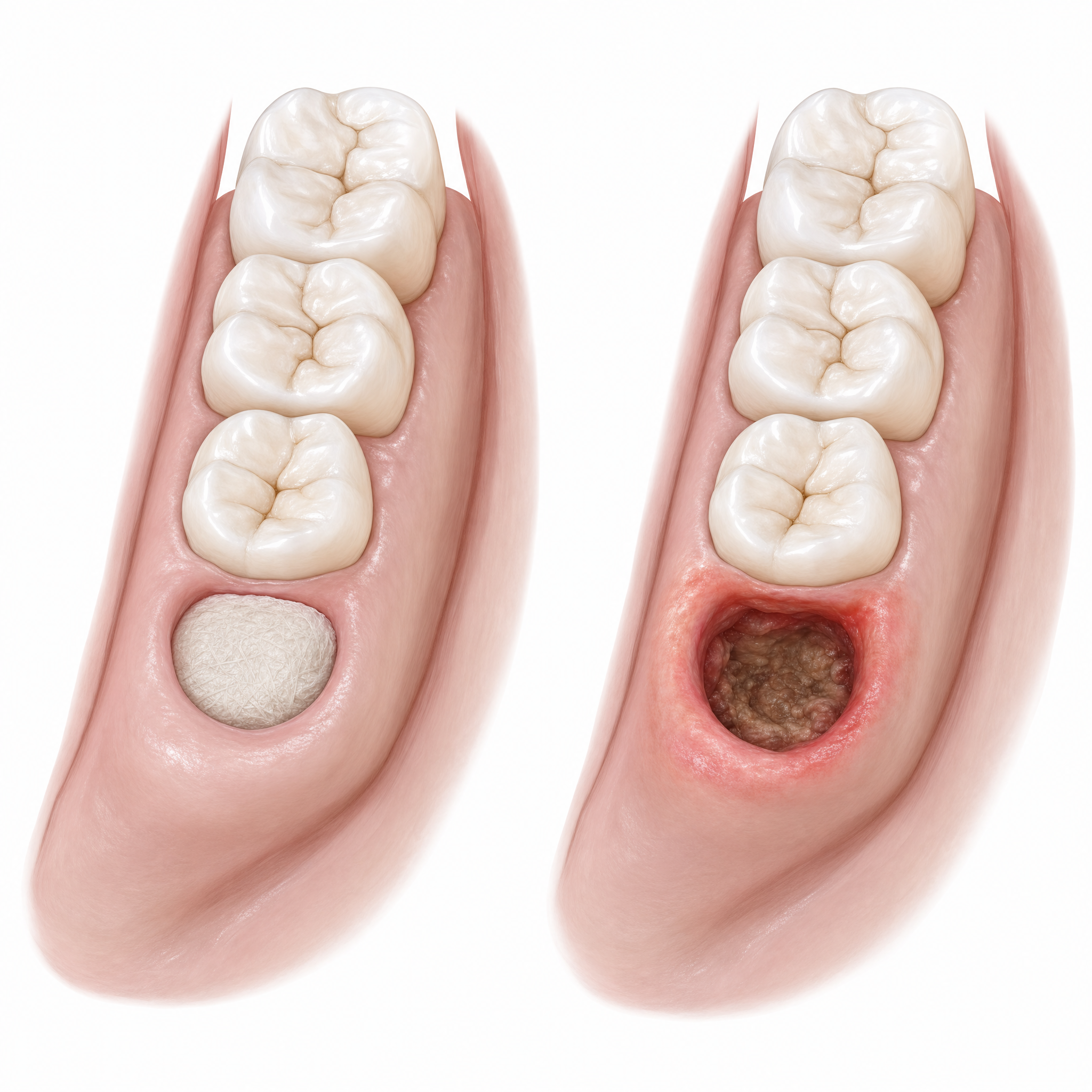
If you’re sorting this out near Maylands Dental Centre in Maylands, this guide walks through what usually happens and what only a check-up can decide.
Severe pain after a tooth extraction can be frightening, especially when it seems to be getting stronger instead of settling. You may be wondering whether clove oil will take the edge off or help you avoid another dental visit.
The short answer is that clove oil may briefly dull discomfort for some people, but it won’t correct the problem inside an extraction socket. Concentrated oil can also irritate your gums and other oral tissues. If your pain is worsening, the sensible next step is to contact the dentist who removed the tooth or arrange a local assessment.
Can clove oil help with dry socket pain?
Clove oil contains eugenol, a substance associated with a numbing sensation. That may explain why it appears in so many home-remedy discussions. Any relief, however, can be short-lived and doesn’t tell you why the socket hurts.
Dry socket needs more than symptom masking. A dentist may need to look for trapped food, loss of the protective blood clot, exposed bone, irritation of nearby tissues or another source of pain. Clove oil can’t make those distinctions.
There’s another concern: concentration. Essential oils are potent, and undiluted clove oil may cause burning, soreness or damage where it touches the mouth. Repeated applications can prolong that irritation. Placing oil-soaked cotton, tissue or another material into the socket may also disturb the area or leave fibres behind.
For those reasons, this article doesn’t provide a home application recipe. If a dentist has specifically recommended a product containing eugenol, follow the instructions they gave you for that product. Otherwise, don’t put concentrated clove oil directly into the socket.
What should you do now? Note when the extraction occurred, whether the pain initially improved, and what symptoms have appeared since. Pass those details to your dentist. They’re more useful than trying another application and waiting to see what happens.
What dry socket can feel like after an extraction
After a tooth is removed, blood normally collects in the socket and forms a clot. That clot covers the underlying bone and supports the early stages of healing. Dry socket, also called alveolar osteitis, may develop when the clot is lost, breaks down or doesn’t remain over the socket while healing is getting underway.
The pattern matters more than one symptom
Some tenderness after an extraction is expected. What raises concern is pain that becomes stronger rather than gradually easing. It may feel deep or throbbing and can spread towards your ear, temple or along the jaw on the same side.
You might also notice:
- an unpleasant taste or smell from the area
- a socket that looks unusually empty
- difficulty sleeping, eating or concentrating because of the pain
- little improvement from the pain relief you were advised to use
- increasing tenderness around the extraction area
Don’t probe the socket to check whether a clot is present. A clot can be difficult to see, particularly around stitches or towards the back of the mouth. Phone photos can also be misleading because shadows, saliva and normal healing tissue change how the site looks.
Similar pain can have another cause
Worsening extraction pain doesn’t automatically mean dry socket. Food or other debris may be caught in the area. The surrounding gum may be inflamed, an infection may be developing, or pain may be coming from a nearby tooth. Occasionally, a small bone fragment or another healing issue needs examination.
That’s why pain alone can’t confirm the diagnosis. If the discomfort seems to come from somewhere other than the extraction site, information about other causes of severe tooth pain may help you understand why an examination matters. Only a dentist assessing your mouth can decide what’s most likely.
Why clove oil is not a treatment for dry socket
A numbing sensation and treatment aren’t the same thing. Clove oil may change how the area feels for a while, but it doesn’t replace the clot, remove trapped debris or allow someone to assess the bone and nearby tissues.
It can also hide a changing symptom. If pain is temporarily dulled, you may delay calling even though the underlying problem still needs attention. That matters when the pain is becoming stronger, affecting sleep or appearing with swelling, fever or difficulty swallowing.
What clove oil cannot tell you
It can’t establish:
- whether the socket has dry socket or another complication
- whether debris is present
- whether nearby teeth or gums are contributing to the pain
- whether there are signs of infection
- which socket care, if any, is suitable at that stage of healing
Avoid packing the socket with cotton wool, tissue, crushed tablets, herbal material or oil-soaked gauze unless your treating dentist has given precise instructions. These materials can irritate the site, disturb healing or make a later examination harder.
If you’ve already applied clove oil and the area now feels burnt, looks unusually pale, has become more swollen or is increasingly sore, stop applying it and contact a dentist. Tell them what you used, its concentration if known, and approximately how often you applied it. That information helps them assess both the socket and the surrounding tissue.
What a dentist may do for a painful extraction socket
You won’t necessarily need a lengthy procedure. The first job is to work out what’s causing the pain.
A dentist will usually ask when the tooth was removed, whether the pain ever settled, where it travels and what you’ve taken or placed on the area. They may also ask about smoking or vaping, the aftercare instructions you received, bleeding, swelling, fever, taste changes and any medical conditions or medicines that affect healing.
The examination
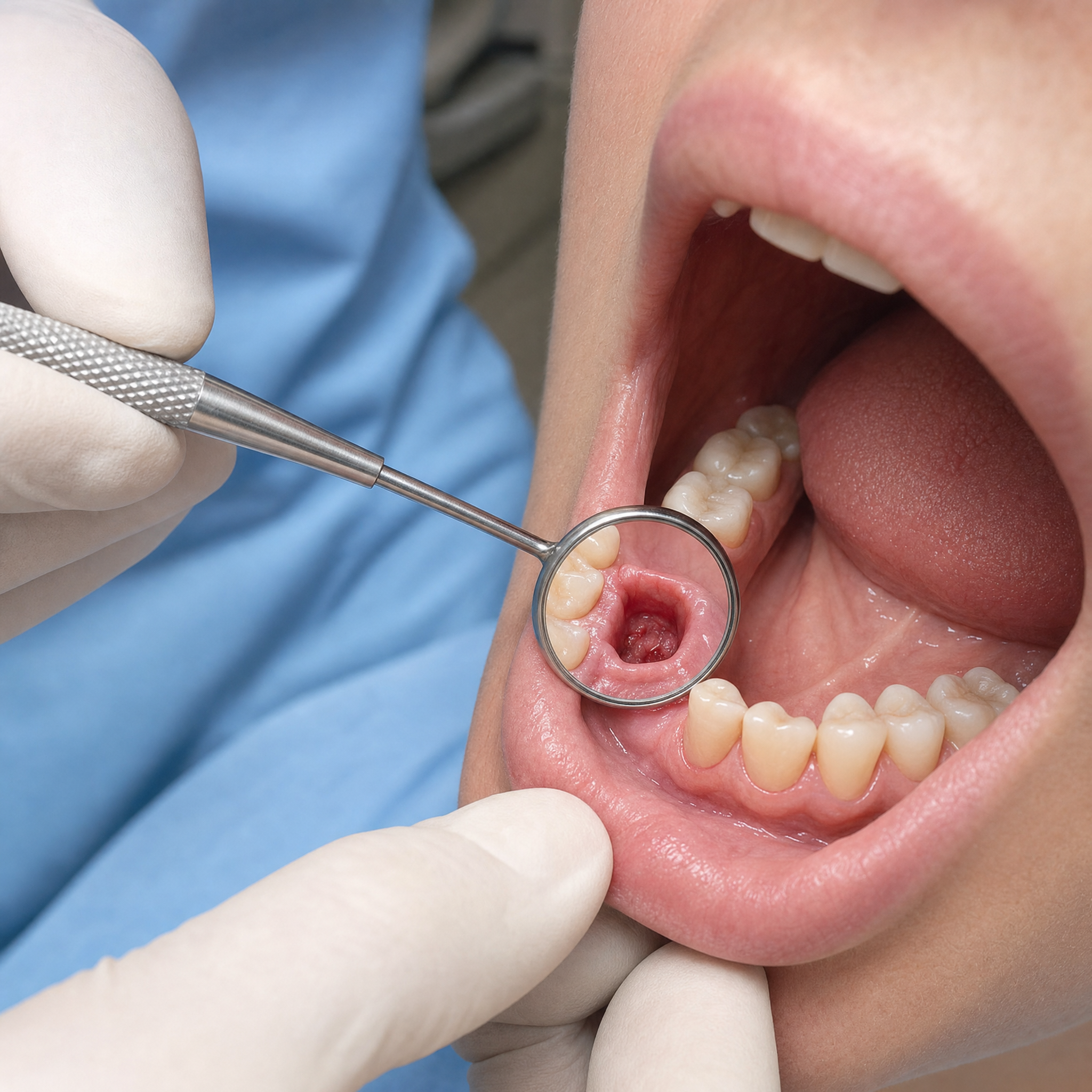
Next, the dentist examines the socket, the gum around it and nearby teeth. They may check for debris, exposed bone, swelling, discharge or tenderness in surrounding areas. If your symptoms suggest another source, they may assess neighbouring teeth or arrange an X-ray. What happens depends on what they find; not every painful socket needs the same care.
When clinically appropriate, care may include carefully flushing food and debris from the socket. A dentist may also place a soothing dental dressing. These dressings aren’t a substitute for diagnosis, and some need review or replacement. You may feel pressure or fluid moving around the area during cleaning, so tell the dentist if you need a pause.
Antibiotics aren’t automatically required for dry socket. They may be considered if the examination identifies signs of infection or another clinical reason for them. Taking leftover antibiotics or someone else’s medicine can delay appropriate care and may cause unwanted effects.
If you’re in Maylands or nearby Perth areas, Maylands Dental Centre’s tooth extraction information explains the practice’s relevant general dentistry service. The practice also publishes clinician profiles with AHPRA numbers, so you can check professional details directly rather than relying on an unverified health post.
When should you contact a dentist?
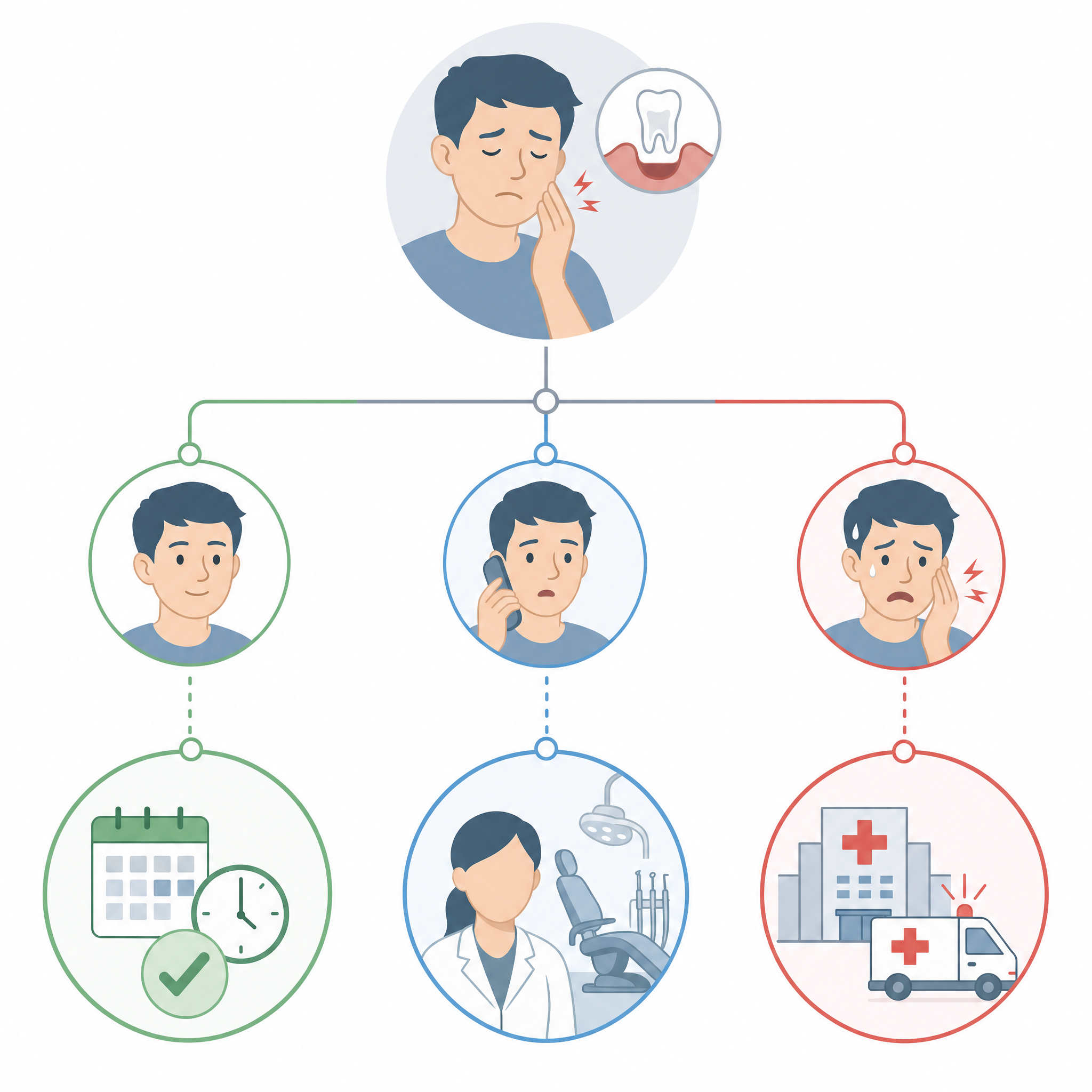
Pain that’s severe, worsening or disrupting normal activities deserves prompt dental advice. Call the dentist who performed the extraction if possible, because they know which tooth was removed, how difficult the procedure was and what aftercare they recommended.
Possible dry socket signs and when to seek dental care
| What you notice | What it may mean | What to do |
|---|---|---|
| Pain that becomes stronger after initially settling | Dry socket or another healing problem may be present | Contact a dentist promptly for an assessment |
| Pain spreading towards the ear, temple or jaw | This pattern can occur with an irritated extraction socket | Describe where the pain travels when you call |
| Unpleasant taste, smell or an unusually empty-looking socket | Debris, clot loss or another local problem may need checking | Don’t probe the site; arrange dental advice |
| Pain not controlled by the relief you were advised to use | The cause may need clinical care rather than further home remedies | Contact your dentist rather than increasing doses yourself |
| Increasing facial swelling, fever or feeling markedly unwell | Infection or another complication may be developing | Seek urgent dental or medical assessment |
| Difficulty swallowing or breathing | Swelling may be affecting the throat or airway | Seek emergency medical help immediately |
| Bleeding that won’t settle with the instructions you were given | The socket needs prompt attention | Contact a dentist urgently or seek emergency care |
Don’t wait for every feature in the table to appear. One concerning change can be enough to call, particularly if you have a condition or take medicine that affects bleeding, immunity or healing.
People looking for dental care near Mount Lawley or dental care near Bayswater should arrange an appropriate local assessment rather than using clove oil to postpone care. If breathing or swallowing becomes difficult, contact emergency services rather than waiting for a dental appointment.
What can you do while waiting for dental advice?
Start with the aftercare sheet or instructions supplied by the dentist who removed the tooth. Advice can differ according to when the extraction occurred, whether stitches were used and what happened during the procedure.
Until you receive individual guidance:
- keep fingers, toothpicks and other objects away from the socket
- avoid smoking and vaping, as suction, heat and chemicals can interfere with healing
- chew on the other side where practical and keep firm or crumbly food away from the area
- continue normal mouth care without scrubbing the socket
- ask a pharmacist or dentist which pain relief is suitable for your health circumstances
- rest with your head slightly raised if lying flat makes throbbing feel worse
Don’t take more medicine than the product label or your clinician recommends. Pain relievers aren’t suitable for everyone; allergies, pregnancy, stomach conditions, kidney or liver problems, blood-thinning medicines and other factors can change what you should use.
Rinsing advice also depends on timing. Vigorous rinsing or forceful spitting soon after an extraction can disturb the clot. Later in healing, your dentist may recommend a particular rinse or cleaning method. If you’re unsure, ask rather than improvising.
A useful step is to write down your symptoms while you wait for a return call: pain level, swelling, taste changes, bleeding, temperature if measured, and the medicines or home products you’ve used. Short notes give the dentist a clearer picture of how things are changing.
FAQs about clove oil and dry socket
Will clove oil resolve dry socket?
No. It may briefly mask discomfort, but it doesn’t restore the protective clot, clean the socket or identify why you’re hurting. If pain is worsening, arrange a dental assessment even if clove oil seems to dull it for a short time.
Can I put clove oil directly into the socket?
Don’t place concentrated clove oil into an extraction socket without specific instructions from your dentist. It may irritate oral tissues, and packing soaked material into the hole can disturb the area or leave fibres behind. If you’ve already used it, tell the dentist what product and concentration you applied.
How long does dry socket pain last?
There isn’t one reliable timeline for everyone. The course can vary with the extraction, the condition of the socket, smoking or vaping, general health and the care the area needs. A dentist can give you a more useful estimate after examining the site. Pain that keeps escalating isn’t something to simply wait out.
Does worsening pain always mean dry socket?
No. Infection, trapped debris, irritation, a small bone fragment or pain from a nearby tooth can feel similar. The timing and pattern offer clues, but an examination is needed to separate these causes.
Will I need antibiotics?
Not necessarily. Dry socket by itself doesn’t automatically call for antibiotics. A dentist will look for signs of infection or another reason before deciding whether they’re appropriate. Don’t start leftover medication while waiting for advice.
What if the extraction was done several days ago?
Still contact a dentist if the pain is getting stronger, spreading or interfering with sleep and eating. Give them the extraction date and describe how the symptoms changed each day. That pattern helps determine how quickly you should be seen.
Can I wait if clove oil reduces the discomfort?
Temporary numbing doesn’t confirm that healing is progressing normally. If you have worsening pain, swelling, fever, uncontrolled bleeding, difficulty swallowing or difficulty breathing, seek the level of care described above. Symptom relief shouldn’t be used as the test for whether the socket needs attention.
Maylands Dental Centre provides general dental care for people in Maylands and surrounding Perth communities. Wherever you seek care, choose a registered dental professional who can examine the socket and give advice based on your own health and extraction.
This information is general and isn’t a diagnosis. Consult a dentist for advice about your circumstances, particularly if pain is severe, worsening or accompanied by other concerning symptoms.
For general dental health information, see Healthdirect dental care and the Better Health Channel teeth guide.



 General Dentistry
 Cosmetic Dentistry
 Restorative Dentistry
 Dental Implants
 Orthodontics
 Sleep Dentistry
 Childrens Dentist
 Cosmetic Procedures
 Health Funds
 Government Schemes
 Payment Plan Options