

 By Maylands Dental Centre
If your dentures feel loose, uncomfortable, or unstable, you are not alone. Many denture wearers experience fitting problems at some point. Understanding what causes poor-fitting dentures is the first step towards finding the right options for your situation. The good news is that most fitting issues have identifiable causes that dental professionals can assess and address.
Multiple factors can contribute to how well your dentures fit. Some causes are biological and relate to natural changes in your mouth over time. Others stem from the dentures themselves, including wear or manufacturing issues. Daily habits and health conditions can also play a significant role. Each of these categories requires a different management approach.
This article explores the specific causes of poor denture fit, organised by category. We will examine why dentures don’t fit properly for many people, including the biological, mechanical, and behavioural factors at play. By the end, you will have a clearer understanding of why you may be experiencing discomfort and what underlying factors may apply to your situation.
Blog Navigation
- Summary of the Content:
- The Biology Behind Denture Fit: Why Your Mouth Changes Over Time
- Mechanical Causes: Problems with the Dentures Themselves
- Behavioural and Habit-Related Causes
- Medical Conditions and Medications That Impact Denture Fit
- The Adjustment Period: Why New Dentures May Feel Uncomfortable
- Options for Managing Poor-Fitting Dentures
- Temporary Comfort Measures While Awaiting Adjustment
- Final Thoughts
Summary of the Content:
- This article covers the key reasons for ill-fitting dentures and what you can do about them.
- Bone resorption is a natural biological process that changes the shape of your jaw after tooth loss, affecting denture stability over time.
- Individual anatomical differences, such as ridge shape, palate depth, and saliva production, can influence how well dentures are retained.
- Mechanical issues with the dentures themselves, including denture manufacturing defects or age-related wear, can cause fitting problems.
- Poor denture care habits, such as using hot water or leaving dentures in constantly, may damage your prosthetic or irritate your oral tissues.
- Medical conditions and medications can affect saliva production, bone density, and gum health, thereby altering denture fit.
- The denture adjustment period involves temporary discomfort as your mouth adapts to new prosthetics, which differs from genuine fitting problems.
- Knowing when to see your dentist for dentures is essential. A professional evaluation can identify the cause and guide appropriate options.
The Biology Behind Denture Fit: Why Your Mouth Changes Over Time
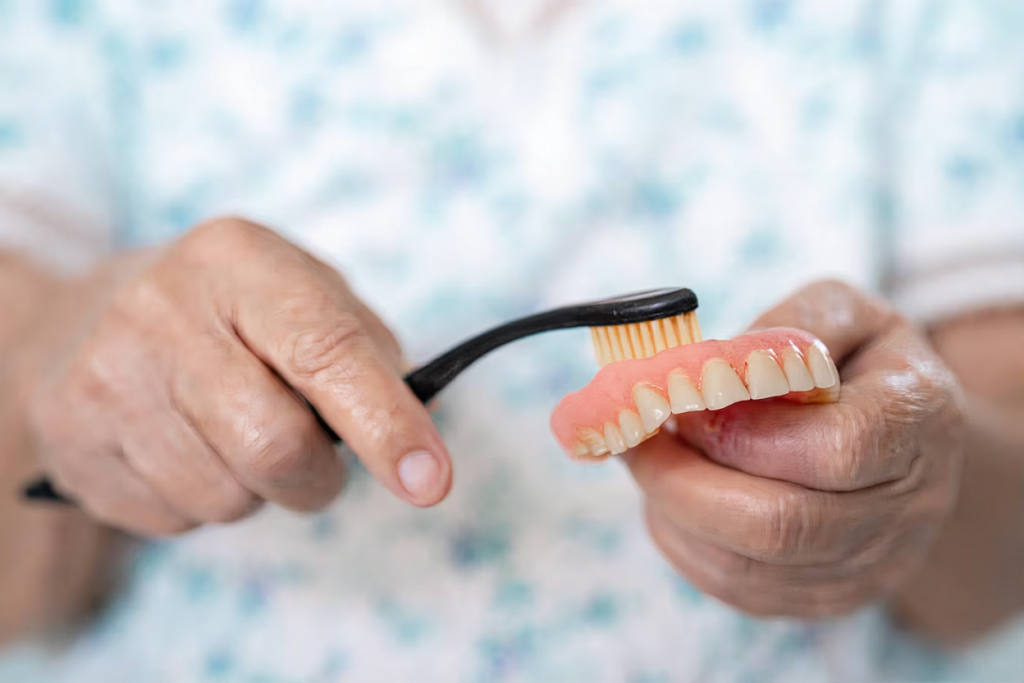
Your mouth is not a static environment. After teeth are extracted, the jawbone undergoes significant changes. These biological processes are among the primary causes of poor denture fit, even if your dentures were once comfortable.
The fundamental process affecting denture stability is called bone resorption. Here is how it works:
- Natural teeth provide constant stimulation to the jawbone through biting and chewing forces.
- When teeth are extracted, this stimulation stops, and the bone no longer receives signals to maintain its structure.
- The body gradually reabsorbs the bone tissue that previously supported the teeth.
- The jawbone shrinks in both height and width over time, changing the foundation on which dentures rest.
- This process is most rapid during the first year after tooth extraction, then continues at a slower rate indefinitely.
Bone resorption is a normal, unavoidable biological process. It affects all denture wearers to varying degrees. This is not a fault of the dentures or something the patient has done wrong. It simply reflects how the human body responds to tooth loss.
How Bone Resorption Affects Denture Stability
The relationship between jawbone shrinkage and denture fit is direct and unavoidable. As the bone decreases in height and width, the denture’s foundation literally changes shape beneath the prosthetic. This creates a mismatch between the denture base and the gum tissue it sits on.
Consider this analogy: imagine a retaining wall built on solid soil. Over time, if the soil erodes away, the wall loses its stable foundation and becomes wobbly. The same principle applies to dentures resting on a shrinking jawbone.
Here is how bone resorption affects your dentures:
- Gaps develop between the denture base and gum tissue as the underlying bone recedes.
- Suction and retention diminish because the denture no longer seals tightly against the tissues.
- The denture may rock or shift during eating and speaking, causing discomfort and embarrassment.
- Sore spots may develop where the denture presses unevenly against the gums.
- Food particles may be more easily trapped under the denture.
The rate of bone loss varies significantly between individuals. Factors contributing to poor fit due to bone resorption include age, overall bone density, general health conditions, and the length of time a person has been without natural teeth. Some people experience rapid changes, while others maintain more stable bone levels for longer periods.
Individual Anatomical Factors That Influence Fit
Every person’s mouth is unique. The shape and structure of your oral anatomy significantly affect how well dentures can be retained. Some patients have anatomical features that facilitate denture retention. Others face greater challenges through no fault of their own.
Key anatomical factors that influence denture fit are as follows:
- Ridge shape and height:
The bony ridge that remains after tooth loss provides the main support for dentures. A high, broad ridge offers good retention, while a flat or narrow ridge makes denture stability more challenging. - Palate contours:
Upper dentures rely partly on suction against the palate. A deep, well-defined palate creates good suction, while a shallow or flat palate reduces retention capacity. - Saliva production:
Adequate saliva acts as a thin layer that helps dentures adhere to tissues. People with dry mouth may experience reduced suction and greater friction against tissues. - Muscle attachment positions:/strong>
The position where cheek and lip muscles attach to the jaw can affect denture borders. Strong muscle attachments close to the ridge may dislodge dentures during speaking or eating. - Tongue size and position:
A large or active tongue can dislodge lower dentures, while limited tongue space may affect speech and comfort with dentures in place.
These anatomical realities are not the patient’s fault. They simply mean that some people require more skilled prosthodontic work and potentially more frequent adjustments. If you have challenging anatomy, this is important information for your dental team to understand so they can plan accordingly.
Mechanical Causes: Problems with the Dentures Themselves
Sometimes, poor-fitting dentures causes stem from the prosthetic itself rather than changes in the mouth. Issues can arise during initial fabrication, develop over time due to material deterioration, or result from accidental damage. Even well-made dentures undergo wear and ageing, which eventually affect their fit.
Identifying whether the problem is the denture or the mouth helps determine the most appropriate option. A denture that was poorly made from the start requires different management than one that has deteriorated over the years of use.
Manufacturing and Design Issues
Denture manufacturing defects or design issues can arise during fabrication. These problems may manifest immediately or become apparent within the first few weeks of wear.
Common fabrication issues that can cause fitting problems include the following:
- Inaccurate impressions:
The mould taken of your mouth forms the basis for the denture. If this impression is distorted or doesn’t capture all the details, the final denture won’t match your tissues accurately. - Improper bite registration:
Recording how your upper and lower jaws meet is crucial. Errors in bite registration can result in uneven pressure, difficulty chewing, and jaw discomfort. - Incorrect tooth positioning:
Teeth placed too far forward, back, or to the side can affect both appearance and function. Poor positioning may cause biting difficulties and affect speech. - Material processing errors:
The curing process for acrylic denture bases requires precise temperature and timing. Errors can cause warping, porosity, or dimensional changes in the finished denture. - Inadequate border extensions:
Denture borders that are too short or too long can cause a loose fit or tissue irritation, respectively.
While careful technique and trial fittings can minimise these problems, some degree of adjustment is normal for all new dentures. However, persistent discomfort, instability, or difficulty with basic functions like chewing and speaking may indicate underlying fabrication issues that require professional attention. Recognising these ill-fitting dentures symptoms early allows for timely intervention.
Age-Related Denture Wear and Deterioration
Dentures are not meant to last forever. Over time, through normal daily use, all dentures deteriorate, eventually affecting fit and function.
Common age-related changes in dentures include the following:
- Acrylic base wearing thin:
The pink acrylic that forms the denture base gradually wears down, becoming thinner and more fragile over time. - Artificial teeth losing shape:
The chewing surfaces of denture teeth wear flat from constant biting forces, reducing chewing efficiency and changing the bite relationship. - Micro-fractures developing:
Tiny cracks can develop in the denture base from repeated stress, weakening the structure and potentially leading to breakage. - Material becoming porous:
Over time, the acrylic can become more porous, absorbing stains, odours, and bacteria to be difficult to clean. - Warping or distortion:
Gradual dimensional changes can occur, especially if dentures have been exposed to heat or repeatedly allowed to dry out.
The average lifespan of dentures is five to eight years. Beyond this timeframe, the denture itself may be the cause of fitting problems, regardless of any changes in the mouth. Material breakdown accelerates with poor cleaning habits, exposure to hot water, or physical damage from dropping. Replacing dentures is a normal, expected part of long-term denture care.
Behavioural and Habit-Related Causes
Patient behaviours and daily habits can significantly contribute to fitting problems. Your denture care habits affect both the prosthetic itself and the oral tissues that support it.
Inadequate or improper care routines can cause or worsen fitting problems in the following ways:
- Using hot water:
Hot or boiling water can warp the acrylic base of dentures, causing them to lose their precise shape. Even dentures that once fit well may become distorted and no longer match the mouth’s contours. - Abrasive cleaning methods:
Using harsh scrubbing or abrasive cleaners can scratch and weaken denture material, creating rough surfaces that harbour bacteria and may irritate tissues. - Allowing dentures to dry out:
Dentures should remain moist when not worn. Drying out causes dimensional changes and warping that affect fit. - Sleeping with dentures constantly:
Wearing dentures around the clock prevents gum tissue from recovering. This can cause tissue irritation, swelling, and accelerated bone resorption. - Neglecting regular cleaning:
Buildup of food debris and bacteria can irritate tissues and contribute to oral health problems that affect denture fit.
Good denture care habits preserve both the denture and the oral tissues that support it. Distorted dentures no longer match the mouth’s shape, even if the mouth hasn’t changed. Irritated, inflamed gum tissue swells and changes contour, altering the fit. Proper care can help extend the lifespan of your dentures and maintain better comfort.
Medical Conditions and Medications That Impact Denture Fit
Systemic health conditions and medications can be underlying causes of poor denture fit. These factors affect saliva production, bone density, gum tissue health, and the immune response in the mouth. These are legitimate medical causes, not simply excuses for fitting difficulties.
Medical factors that may affect denture fit include:
- Dry mouth conditions:
Conditions such as Sjögren’s syndrome or medications that reduce saliva production can significantly affect denture retention and comfort. - Diabetes:
Poorly controlled diabetes can impair tissue healing and increase susceptibility to oral infections, potentially affecting gum health and denture fit. - Osteoporosis:
This condition affects bone density throughout the body, including the jawbone, and may accelerate bone resorption after tooth loss. - Nutritional deficiencies:
Deficiencies in calcium, vitamin D, or other nutrients can affect bone health and tissue integrity. - Medications causing dry mouth:
Many common medications—including those for blood pressure, depression, allergies, and pain—can reduce saliva production as a side effect. - Bisphosphonate medications:
These medications, used for osteoporosis, may affect bone healing and should be discussed with your dental team.
If you experience persistent fitting problems, consider whether any health changes have coincided with your denture difficulties. It is important to inform your dental team of any health conditions or medication changes that may affect oral tissues or denture retention.
The Adjustment Period: Why New Dentures May Feel Uncomfortable
Discomfort with new dentures is often caused by the normal adaptation period rather than a poor fit. The denture adjustment period is a temporary phase that most new denture wearers experience. Distinguishing between normal adaptation and genuine fitting problems is essential for knowing when to seek professional help.
Physiological Causes of Adjustment Discomfort
Even when properly fitted, new dentures feel uncomfortable for most people initially. This is because your mouth needs time to adapt to a new prosthetic device.
Normal physiological responses during the denture adjustment period include:
- Unfamiliar pressure on gum tissues:
Gum tissues that have never supported prosthetics need time to adapt to the new pressure and contact. - Altered tongue space:
The tongue must learn new movement patterns for speech and swallowing while wearing dentures. - Changed facial muscle positions:
Muscles around the mouth and cheeks need to relearn coordination for chewing and speaking. - Increased saliva production:
The mouth perceives the denture as a foreign object and may produce extra saliva initially. - Speech difficulties:
Speaking clearly with dentures requires practice as the tongue and lips learn to work around the prosthetic.
These responses are normal biological reactions to change. The mouth gradually adapts as tissues toughen, muscles learn new patterns, and the brain adjusts to the altered oral environment. Patience during this phase is important.
Expected Adjustment Timeline
The adjustment period varies between individuals, but most people notice gradual improvement over several weeks.
A general timeline for denture adjustment includes:
- First few days:
Discomfort is often at its peak. Soreness, excess saliva, and difficulty eating are common. This is when many new denture wearers feel most discouraged. - Week one to two:
Initial soreness should begin to subside. Speech may start to feel more natural. Eating soft foods becomes easier. - Weeks three to four:
Many patients notice significant improvement. Chewing becomes more coordinated. Speech difficulties continue to diminish. - Weeks four to eight:
Most patients experience substantial adaptation by this stage. The dentures begin to feel more natural and comfortable. - Beyond two months:
Full adaptation continues, though most major adjustments occur earlier. Some patients take longer, especially first-time denture wearers.
Individual adaptation rates vary based on prior denture experience, pain sensitivity, and a commitment to consistently wearing dentures. The key indicator of normal adjustment is gradual improvement. Discomfort should lessen over time, not intensify or remain constant.
When Discomfort Indicates a Real Fitting Problem
Not all discomfort is part of normal adjustment. Some ill-fitting denture symptoms indicate genuine fitting problems that require professional attention. Learning to recognise these warning signs helps you know when to see a dentist for dentures rather than waiting for adaptation that won’t come.
Warning signs that indicate a real fitting problem rather than normal adjustment include:
- Persistent pain beyond two to three weeks:
Pain that doesn’t improve or gets worse despite adjustments may indicate underlying fabrication issues. - Bleeding or ulcerated gum tissue:
Sore spots that break down into ulcers or bleed regularly suggest the denture is causing tissue damage. - Complete inability to chew soft foods:
While chewing is challenging initially, complete inability to eat soft foods suggests a significant problem. - Severe speech difficulties that don’t improve:
Some initial speech changes are normal, but severe lisping or whistling that persists needs assessment. - Dentures that feel loose from the start:
New dentures should have reasonable retention. Immediate looseness suggests inaccurate impressions or fabrication issues. - Gagging that doesn’t diminish:
While some initial gagging is normal, persistent gagging may indicate denture borders that extend too far.
Patients shouldn’t suffer through severe problems, assuming they are normal adjustments. These ill-fitting denture symptoms indicate underlying causes that require professional intervention. The cause is a poorly fitting denture that needs modification, not a patient who hasn’t yet adapted.
Options for Managing Poor-Fitting Dentures
Understanding what causes poor-fitting dentures is valuable, but patients also need to know what practical steps they can take. Appropriate action depends on identifying the underlying cause, which requires professional evaluation.
When to Seek Professional Evaluation
Patients shouldn’t wait until problems become severe before seeking professional help. Earlier intervention may mean simpler options. Allowing problems to progress can lead to accelerated bone loss or damage to oral tissues. Knowing when to see your dentist for dentures is an important part of ongoing oral health.
The following situations suggest it may be time to schedule a professional evaluation:
- You may need an assessment if your dentures slip or move during eating or speaking.
- Persistent sore spots that last more than a few days despite rest periods warrant professional attention.
- Noticeable changes in how your bite aligns should be assessed by your dental team.
- Difficulty chewing foods that were previously manageable suggests your dentures may need adjustment.
- Dentures that have been in use for five or more years without professional assessment should be reviewed.
- An increased need for denture adhesive to maintain stability indicates your fit may have changed.
- Visible damage, such as cracks, chips, or worn tooth surfaces, requires professional evaluation.
A professional evaluation may identify causes and determine appropriate options. Don’t assume that discomfort is something you must simply accept. Many fitting problems can be addressed once properly assessed.
Temporary Comfort Measures While Awaiting Adjustment
While awaiting professional care, some temporary measures can help manage discomfort. These measures provide temporary relief but don’t address the underlying causes. Professional evaluation and appropriate intervention remain necessary.
Temporary comfort measures include:
- Eating softer foods:
Reducing chewing pressure can decrease discomfort while waiting for a professional assessment. - Taking off dentures for short periods:
Following your dentist’s guidance on wear schedules, brief rest periods can allow irritated tissues to recover. - Warm salt water rinses:
Careful rinsing with warm salt water may help soothe irritated tissues. - Meticulous cleaning:
Thorough cleaning after meals prevents food debris from causing additional irritation. - Keeping dentures moist:
Store dentures in water or denture solution when not worn to prevent warping from drying.
It is important to avoid using excessive denture adhesive to compensate for a poor fit. While adhesive can provide temporary stability, overuse may mask problems and delay necessary intervention. If you find yourself using increasing amounts of adhesive, this is a sign to seek professional evaluation.
Final Thoughts
Poor denture fit can result from multiple causes across several categories. Biological changes—particularly bone resorption and individual anatomy—affect the foundation on which dentures rest.
Mechanical issues, such as manufacturing problems or material deterioration, can compromise the denture. Behavioural factors such as denture care habits and constant wear affect both the prosthetic and supporting tissues.
Medical conditions and medications may influence oral tissues and retention. Understanding what causes poor-fitting dentures and which factors apply to your situation is essential for finding appropriate options.
Most fitting problems have identifiable causes that dental professionals can address. Rather than accepting discomfort as inevitable, patients should seek professional evaluation when persistent issues arise. The denture adjustment period is normal for new dentures, but problems that don’t improve or that worsen over time require attention.
Maylands Dental Centre provides comprehensive denture consultations to help patients identify the causes of their fitting concerns and explore available options. Our dental team can assess your situation, discuss potential causes of your discomfort, and guide you through appropriate management options.
Important Information
A consultation is required to assess your individual needs and suitability for dentures. Individual circumstances vary, and adjustment timelines may differ between patients.
This information is provided by Maylands Dental Centre, 78 Eighth Avenue, Maylands, WA 6051. Principal Dentists: Dr Justin Soon, Dentist – General Registration, AHPRA Registration Number: DEN0001784699, and Dr Jonathan Lo, Dentist – General Registration, AHPRA Registration Number: DEN0001995824. For appointments or enquiries, contact us on (08) 9370 5464.


 General Dentistry
 Cosmetic Dentistry
 Restorative Dentistry
 Dental Implants
 Orthodontics
 Sleep Dentistry
 Childrens Dentist
 Cosmetic Procedures
 Health Funds
 Government Schemes
 Payment Plan Options