

 By Maylands Dental Centre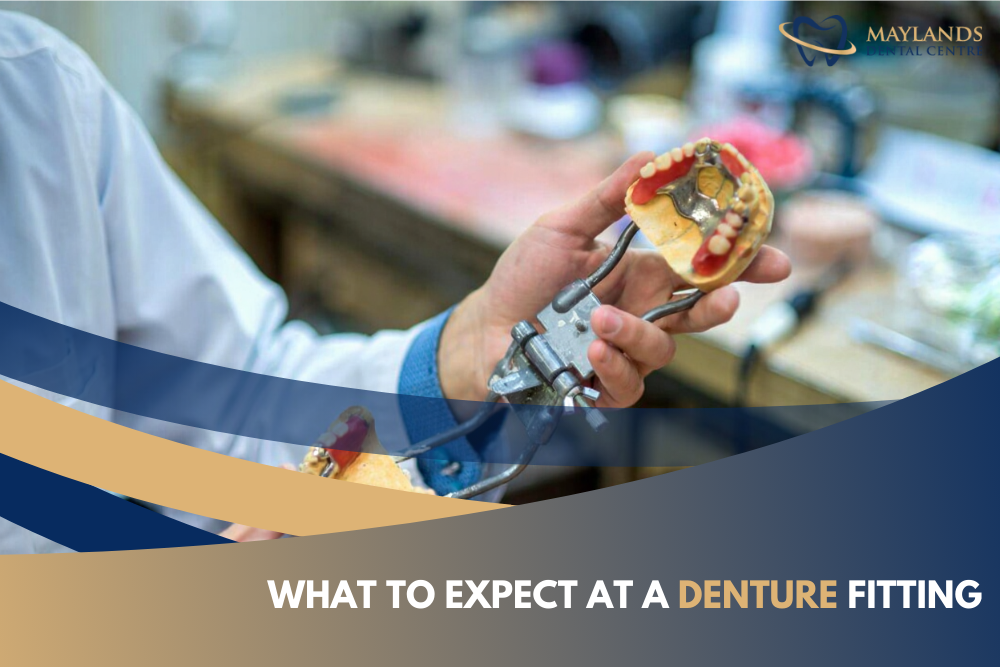
If you’re preparing for your first denture appointment, feeling anxious or uncertain is completely understandable. Many people wonder what the process involves and how long it will take. Being informed about what to expect at a denture fitting can significantly reduce these concerns and help you feel more prepared.
The denture fitting process is a journey that involves multiple appointments over several weeks. Each visit serves a specific purpose in creating custom-made dentures for your individual needs. While this guide provides comprehensive information based on standard dental practices, every patient’s experience may vary.
It’s important to note that this article offers educational information only. Consultation with a qualified dentist is essential for personalised advice and care planning tailored to your specific circumstances.
Blog Navigation
- Summary of the Content:
- Overview: The Denture Fitting Process
- The Initial Consultation and What to Ask
- Taking Impressions and Bite Registration
- The Try-In Appointment: Your Chance to Request Changes
- Final Fitting and the First Few Hours
- The Adjustment Period: First Days and Weeks
- Follow-Up Adjustments
- Immediate vs Conventional Dentures: Choosing Your Pathway
- Immediate vs Conventional Dentures: Choosing Your Pathway
- Final Thoughts
Summary of the Content:
- The complete denture process typically involves multiple appointments over 4 to 12 weeks, depending on individual circumstances.
- Initial consultations focus on examination, treatment planning, and discussing your specific needs and concerns.
- Impression-taking captures detailed moulds of your mouth, which may feel uncomfortable but is manageable.
- Try-in appointments allow you to assess appearance and function before final processing.
- The first few hours with dentures may bring new sensations as your mouth adapts to them.
- Some fitting pain during the initial adjustment is normal and should be manageable, with gradual improvement.
- The denture adjustment period involves gradual adaptation over several weeks, with improvement varying by individual.
- Follow-up adjustments are a normal part of the process and help refine fit and comfort.
- Immediate dentures are fitted on the same day as extractions, while conventional dentures require a healing time first.
Overview: The Denture Fitting Process
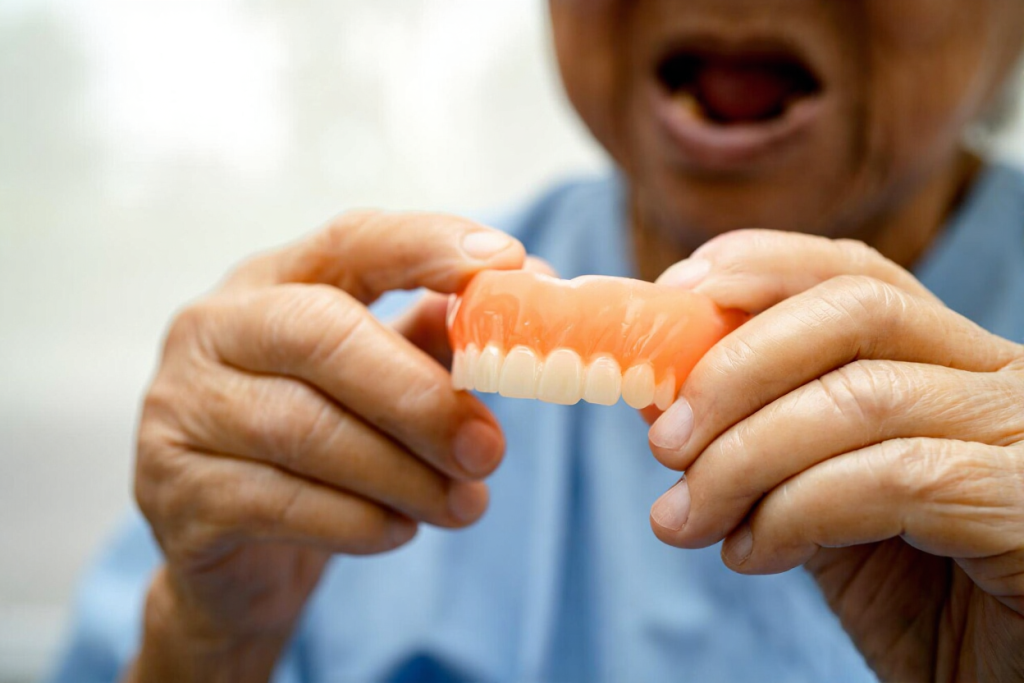
Getting dentures is a multi-stage process that requires patience and active participation. The denture fitting process involves several key appointments, each designed so your dentures fit properly and function well.
The entire journey from your first consultation to receiving your final dentures typically takes 4 to 12 weeks. The timeframe varies based on individual factors, including oral health, healing time if extractions are needed, and the complexity of your case.
The process includes these essential stages:
- Initial consultation:
Your dentist examines your mouth, discusses options, and creates a treatment plan tailored to your needs. - Impressions and measurements:
Detailed moulds of your mouth are taken to create accurate denture foundations. - Bite registration:
Your dentist records how your upper and lower jaws relate to each other during biting. - Try-in appointment:
You assess the appearance and fit of your dentures while they’re still i wax form. - Final fitting:
You receive your completed dentures with immediate comfort adjustments. - Follow-up adjustments:
Additional appointments are scheduled to address any pressure points or comfort issues that arise during use.
This multi-appointment approach is necessary because creating properly fitted dentures requires precision at each stage.
The Initial Consultation and What to Ask
Your first denture fit appointment focuses on assessment and planning rather than hands-on procedures. During this visit, your dentist will conduct a comprehensive oral examination to evaluate your mouth’s condition and determine the most suitable denture options for your situation.
This initial visit allows your dentist to explain the differences between complete and partial dentures, as well as immediate versus conventional dentures. The fitting timeframe, estimated costs, and payment options will be discussed in detail. In most cases, initial consultations last 30 to 60 minutes.
During your consultation, these topics will be covered:
- Treatment timeline:
Your dentist will explain how many appointments you’ll need and the total timeframe from start to finish. - Denture options:
Discussion of whether complete or partial dentures suit your needs, and whether immediate or conventional dentures are more appropriate. - Cost breakdown:
Detailed explanation of fees, payment plans available, and what’s included in the quoted price. - Transition period:
Information about whether you’ll need to go without teeth at any stage during the process.
Consider asking these questions at your appointment:
- How many appointments will I need before receiving my final dentures?
- What’s the total timeframe from start to finish for my specific case?
- Will I need to go without teeth at any point, or can I have temporary teeth while waiting?
- What are the total costs, and what payment options are available?
- How long does the denture adjustment period last for most patients?
- What happens if my dentures don’t fit comfortably after the initial fitting?
Asking these questions during your initial consultation helps set clear expectations.
Taking Impressions and Bite Registration
The impression-taking appointment is often considered the most challenging part of the denture fitting process. However, understanding what happens during a denture fitting can help you prepare mentally for the experience. This stage involves creating detailed moulds of your mouth that serve as the blueprint for your custom dentures.
Your dentist uses special impression materials to capture the exact shape and contours of your gums and any remaining teeth. Both upper and lower impressions are taken for a proper denture fit. The impression-taking process may require multiple attempts to capture adequate detail.
After the impressions are taken, your dentist will perform bite registration. This crucial step records how your upper and lower jaws relate to each other when you bite down. Getting the bite relationship right is essential for comfortable, functional dentures.
What Impression Material Feels Like
Understanding the sensory experience of impression-taking can help reduce anxiety about this denture fit appointment. The impression material has a thick, paste-like consistency, similar to pudding or thick yoghurt. When first placed in your mouth, it feels cool and somewhat heavy.
You’ll notice these sensory characteristics:
- Texture:
The material feels thick and smooth, like pudding or thick cream. - Temperature:
Impression materials are at room temperature or slightly cool, not uncomfortably cold. - Taste:
Most materials have a mild taste, sometimes minty or unflavoured, though some patients find it slightly unpleasant. - Consistency changes:
The material starts soft and gradually becomes firmer as it sets over three to five minutes.
Some patients experience a gagging sensation during impression-taking, particularly when the material covers the palate. Breathing steadily through your nose can help manage this sensation.
Appointment Duration and What to Expect
Planning your schedule around denture appointments requires knowing how much time to allocate. The denture fitting duration for the impression appointment varies based on individual factors, but most patients can expect to spend 30 to 45 minutes at this visit.
Your appointment time breaks down as follows:
- Preparation and explanation:
Your dentist spends 5 to 10 minutes explaining the process and preparing materials. - Taking impressions:
Each impression requires three to five minutes for the material to set, with two to four impressions total. - Bite registration:
Your dentist spends 10 to 15 minutes accurately recording your bite relationship. - Review and scheduling:
The final 5 to 10 minutes are devoted to reviewing the impressions and scheduling your next appointment.
Patients with a strong gag reflex may need additional time or breaks during the appointment. The impression appointment is often described as the most challenging part of the entire denture fitting process. Subsequent appointments tend to be easier and less uncomfortable.
The Try-In Appointment: Your Chance to Request Changes
The try-in stage is a critical checkpoint in your denture journey. During this visit, you’ll see and feel your dentures for the first time, though they’re still in wax form rather than the final processed material. This is your last opportunity to request changes to tooth colour, shape, size, or positioning.
Your try-in appointment includes these activities:
- Mirror assessment:
You’ll examine your smile, tooth position, and overall appearance from different angles. - Speaking tests:
Your dentist will ask you to say specific phrases containing “s” and “f” sounds to assess speech clarity. - Bite testing:
You’ll close your mouth to assess whether your bite feels natural and comfortable. - Profile viewing:
You’ll view your side profile to evaluate how natural the dentures look.
When evaluating aesthetics, consider the following:
- Tooth colour:
Assess whether the teeth match your desired shade or appear too white or too yellow. - Tooth size and shape:
Evaluate whether the teeth look proportionate to your face and appropriately sized. - Gum colour:
Consider whether the pink acrylic gum portion looks natural and matches your tissue colour. - Tooth positioning:
Determine whether the teeth are aligned, so they look natural when you smile.
From a functional perspective, assess these aspects:
- Comfort:
Identify any areas where the dentures press uncomfortably on your gums. - Bite alignment:
Consider whether your bite feels balanced when you close your teeth together. - Speech clarity:
Determine whether you can pronounce words clearly or if certain sounds feel awkward.
Your dentist will ask for your honest feedback about every aspect of the dentures. Minor adjustments at this stage are normal and expected. After you and your dentist are satisfied with all aspects of the try-in dentures, they’re sent back to the laboratory for final processing.
Final Fitting and the First Few Hours
Receiving your completed dentures is an exciting milestone. During this final fitting appointment, your dentist will carefully place your new dentures and make immediate adjustments for comfort. This visit marks the beginning of your denture adjustment period.
Your dentist will assess multiple aspects of fit and function when you first receive your dentures. This appointment lasts approximately 45 to 60 minutes and includes detailed instructions for caring for your new dentures. Your dentist will explain how to insert your dentures, how to clean them properly, and what to expect when getting dentures fitted.
The first few hours with dentures feel quite different from having natural teeth. Your mouth needs time to adjust to the dentures.
During the initial hours, expect these sensations:
- Increased saliva production:
Your mouth may produce more saliva initially, which is a normal response to a new object. - Feeling of fullness:
Your mouth will feel fuller than usual, which is a common sensation that decreases as you adapt. - Speech changes:
Pronouncing certain words may feel awkward, particularly those with “s” and “f” sounds. - Mild pressure:
You may feel general pressure on your gums, which should be tolerable, not painful.
For your first day with dentures, follow this guidance:
- Start with soft foods that require minimal chewing, such as yoghurt, mashed potatoes, or smoothies.
- Cut food into small pieces and chew slowly, using both sides of your mouth equally.
- Practise speaking by reading aloud at home for 10 to 15 minutes to help adjust faster.
- Avoid taking out your dentures frequently, as this can delay adaptation.
It’s important to understand the difference between discomfort and pain. Mild pressure and a feeling of fullness are normal on your first day with dentures. However, sharp pain, severe rubbing, or inability to close your mouth properly requires immediate contact with your dentist.
If you experience excessive pain, bleeding, or dentures that click when eating or speaking, contact your dentist promptly. Most patients experience manageable denture fitting discomfort rather than significant pain, but individual experiences vary.
The Adjustment Period: First Days and Weeks
The denture adjustment period is a gradual process that requires patience and practice. Most patients experience improvements in comfort, speech, and eating ability over several weeks, though the timeline varies by individual circumstances.
During the first few days, your mouth is adapting to dentures. You may notice increased saliva production, which usually subsides within the first week. Following your dentist’s wearing instructions is crucial during the denture adjustment period.
Comfort levels typically change during the first few weeks as the mouth adapts to dentures. Some people adapt quickly within a few weeks, while others need several months to feel completely comfortable.
Normal vs Concerning Symptoms
Distinguishing between expected adjustment symptoms and issues requiring professional attention is important during the denture adjustment period.
Normal adjustment symptoms include:
- Mild soreness:
General tenderness of gums gradually improves over the first few weeks. - Increased saliva:
Excess saliva production subsides within several days to one week. - Altered taste:
Temporary changes in how food tastes usually go away as you adapt. - Looseness sensation:
You may feel like dentures are loose while you learn to hold them in place with facial muscles. - Speech changes:
Difficulty pronouncing certain sounds improves with daily practice. - Minor pressure points:
Small areas of tenderness can be addressed through adjustments.
Concerning symptoms requiring dentist assistance include:
- Persistent sharp pain:
Intense pain doesn’t improve or worsen over several days. - Bleeding gums:
Ongoing bleeding continues beyond the first few days of wear. - Clicking sounds:
Dentures click audibly when you eat or speak, indicating bite alignment issues. - Inability to bite:
Difficulty bringing teeth together properly or biting through soft foods occurs. - White patches or sores:
Lesions in your mouth don’t heal within two weeks. - Significant rocking:
Dentures move excessively when speaking or eating, beyond normal settling.
If you experience any concerning symptoms, contact Maylands Dental Centre to schedule an adjustment appointment. Don’t wait until your scheduled follow-up if you’re experiencing severe discomfort or functional problems.
Tips for Faster Adaptation
While everyone adapts to dentures at their own pace, certain strategies may support faster adjustment for many patients.
Speech improvement strategies:
- Read aloud at home for 10 to 15 minutes daily to practise pronunciation.
- Focus particularly on words containing “s” and “f” sounds, which are often most challenging.
- Speak slowly and deliberately until your muscles adapt to speaking with dentures.
Eating adaptation techniques:
- Begin with foods that require minimal chewing, such as yoghurt, pudding, and soup.
- Prepare all food in small, manageable pieces before eating.
- Use both sides of your mouth equally to maintain denture balance.
Wearing schedule recommendations:
- Wear dentures continuously for the first 24 to 48 hours except when cleaning, as recommended by many dentists.
- This consistent contact can help your mouth adapt more quickly.
- After the initial period, follow your dentist’s specific instructions about overnight wear.
Consistent practice and wearing are recommended during the adjustment period. The denture adjustment period requires patience, but most people find that their comfort and confidence increase steadily over time.
Follow-Up Adjustments
Follow-up adjustments are a standard, expected part of the denture journey, not an indication that something is wrong. Patients can expect to need multiple adjustment appointments during the first few months as they identify specific pressure points or comfort issues during normal use.
These adjustment appointments allow your dentist to refine the fit of your dentures based on your real-world experience wearing them. Most adjustment appointments are brief, lasting 15 to 30 minutes.
It’s important to attend all scheduled adjustment appointments, even if you’re feeling relatively comfortable. If you develop a sore spot between scheduled appointments, don’t wait to seek help.
Immediate vs Conventional Dentures: Choosing Your Pathway
Understanding the difference between immediate and conventional dentures helps you make an informed decision about which pathway suits your needs.
Conventional dentures:
- Teeth are extracted, and gums are allowed to heal completely before the denture fitting process begins.
- Healing takes approximately 8 to 12 weeks after extractions.
- Impressions are taken after healing is complete, when the gum tissues have reached their final shape.
- The resulting dentures can achieve a more predictable initial fit because they’re made for stabilised tissues.
- Patients go without teeth during the healing period unless temporary teeth while waiting are provided.
Immediate dentures:
- Dentures are fabricated before tooth extraction and fitted immediately after the teeth are removed.
- Patients never go without teeth, which addresses cosmetic and functional concerns.
- Impressions are taken while some teeth are still present, requiring an estimate of the post-extraction gum shape.
- Initial fit is less predictable because gums change shape significantly during healing.
- More frequent adjustment appointments are usually needed as gums heal and reshape over 6 to 12 months.
The choice between these pathways depends on individual priorities. Your dentist will discuss these options during your initial consultation, taking into account your specific oral health situation, lifestyle factors, and personal preferences.
Immediate vs Conventional Dentures: Choosing Your Pathway
Proper preparation for your denture appointments can make the process smoother and more efficient. Knowing what to bring and how to prepare helps you get the most out of each visit. Having a clear understanding of what to expect at a denture fitting means being prepared for each appointment stage.
Items to bring include:
- Medication list:
A current list of all medications you’re taking, including supplements. - Medical history:
Information about any health conditions that may affect dental treatment. - Questions written down:
A list of questions or concerns you want to discuss with your dentist.
Appointment-specific preparations involve:
- Initial consultation:
Come prepared to discuss your dental history and expectations openly. - Impression appointment:
Avoid eating a large meal immediately before to reduce the likelihood of gagging. - Try-in appointment:
Consider what’s important to you, both aesthetically and functionally, beforehand. - Final fitting:
Schedule the appointment and a less busy period afterwards for initial adaptation.
Taking an active role in your denture journey by coming prepared to appointments supports better outcomes.
Final Thoughts
Getting dentures is a significant dental journey that requires patience, multiple appointments, and active participation. Understanding what to expect at a denture fitting helps you prepare both mentally and practically for this process.
The denture fitting process involves several key stages, from initial consultation through final fitting and adjustment. Each stage serves a specific purpose in creating custom dentures designed for your individual needs.
The 4- to 12-week timeframe may seem lengthy. However, this careful approach aims to provide dentures that are custom-fitted to each individual’s mouth.
Many patients adapt to their dentures over time, with adaptation periods varying based on individual circumstances. If you’re considering dentures or preparing for your first fitting, schedule a consultation with Maylands Dental Centre for a personalised assessment and treatment planning.
Important Information
This information is for educational purposes only and does not replace personalised advice from a qualified dental professional. Individual experiences with dentures vary, and a consultation is necessary to assess your specific situation and determine the most appropriate treatment plan.
This information is provided by Maylands Dental Centre. For appointments or enquiries, please contact the centre directly.



 General Dentistry
 Cosmetic Dentistry
 Restorative Dentistry
 Dental Implants
 Orthodontics
 Sleep Dentistry
 Childrens Dentist
 Cosmetic Procedures
 Health Funds
 Government Schemes
 Payment Plan Options