You might catch yourself covering your mouth when you smile, or perhaps you’ve noticed your child’s teeth coming through at unusual angles. Many people wonder whether orthodontic treatment could help address concerns about their teeth or bite. Orthodontic treatment may be suitable if you’re experiencing certain signs, from visible alignment issues to functional problems like difficulty chewing or jaw discomfort.
This article explores the common indicators that suggest braces or other orthodontic options might be worth considering.
Blog Navigation
- Summary of the Content:
- What Are Braces and How Do They Work?
- Why Oral Health Matters for Orthodontic Treatment
- Common Signs You May Need Orthodontic Treatment
- Signs Children May Need Braces
- Signs Adults May Need Braces
- What to Expect During an Orthodontic Consultation
- FAQs: Do You Need Braces?
- Final Thoughts
Summary of the Content:
- Common signs that may indicate a need for orthodontic treatment include crowded or crooked teeth and bite issues such as overbites or underbites. Other indicators include persistent jaw pain and difficulty chewing or speaking clearly.
- Both children and adults can be candidates for orthodontic treatment, with modern options available for different ages and lifestyles.
- The Australian Society of Orthodontists and Orthodontics Australia recommend that children have their first orthodontic assessment between the ages of 7 and 10. This timing coincides with the beginning of adult tooth emergence.
- A professional consultation is required to determine whether treatment is appropriate for your specific situation, as everyone’s dental alignment and needs differ.
- Modern treatment options include traditional metal braces, ceramic braces, and clear aligners like Invisalign, offering choices that suit various preferences and circumstances.
What Are Braces and How Do They Work?
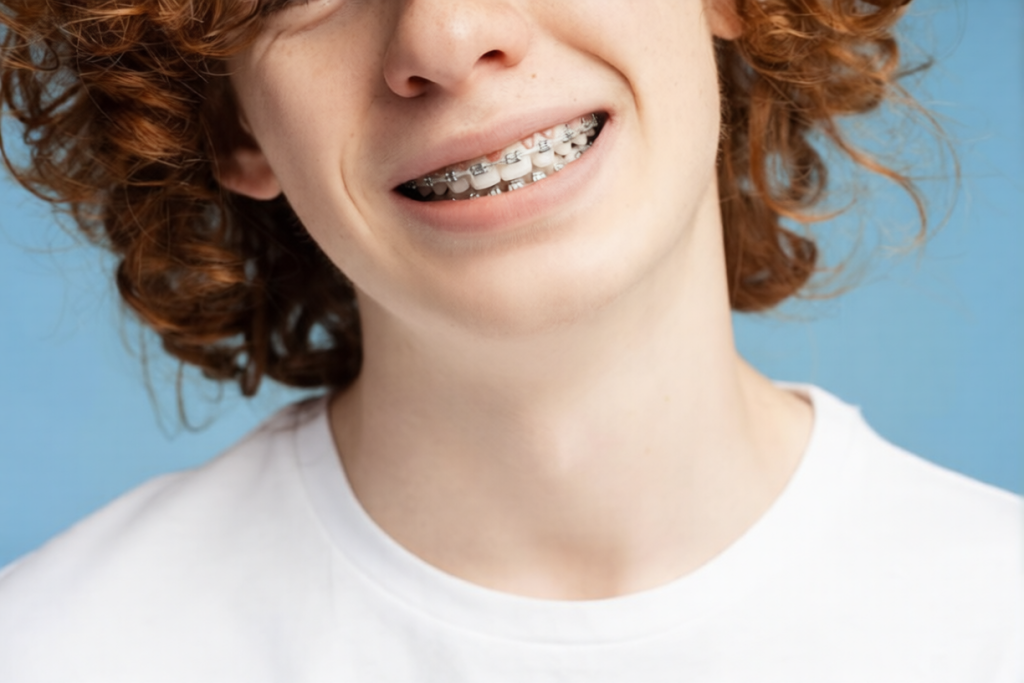
Braces are orthodontic devices designed to gradually move teeth into a more favourable alignment and address bite problems. They work by applying consistent, gentle pressure to teeth over time, which encourages them to shift into new positions. This process involves the bone surrounding your teeth remodelling as teeth move, which is why orthodontic treatment requires patience and regular monitoring.
Types of Braces Available
Several types of braces are available today, each with different characteristics that may suit different situations and preferences.
- Traditional metal braces remain the most common option. These consist of metal brackets bonded to each tooth, connected by wires that are adjusted regularly. They’re durable, effective for complex cases, and typically the most cost-effective option.
- Ceramic braces function similarly to metal braces but use tooth-coloured or clear brackets that blend with your natural teeth. Many adults and teenagers choose this option because the brackets are less noticeable than metal ones.
- Clear aligners such as Invisalign offer a removable alternative to fixed braces. These custom-made plastic trays fit over your teeth and are replaced every one to two weeks as your teeth gradually shift. They’re popular because they can be removed for eating and cleaning, and many people find them more discreet.
- Lingual braces attach to the back surfaces of your teeth rather than the front, making them virtually invisible from the outside. This option exists for those who want the effectiveness of traditional braces with maximum discretion.
How Braces Address Dental Issues
The mechanism behind orthodontic treatment involves brackets, wires, and consistent pressure. Brackets are bonded to each tooth, and a wire threads through them. Your dentist adjusts the wire tension at regular appointments, gradually guiding your teeth into their target positions.
According to Healthdirect, orthodontic treatment typically takes one to three years. Most treatments require 18 months or more to allow teeth to gradually shift into position. This extended timeframe is necessary because teeth must move slowly to allow the surrounding bone and tissue to adapt safely.
During treatment, routine appointments are scheduled every 4 to 12 weeks so your dentist can monitor progress and make necessary adjustments. These regular check-ins help keep treatment on track and allow your dentist to address any concerns that arise.
After the active treatment phase, you’ll typically need to wear a retainer to hold your teeth in their new positions while the surrounding tissues stabilise. This retention phase is important for maintaining the results achieved during treatment.
Why Oral Health Matters for Orthodontic Treatment
Braces are orthodontic devices designed to gradually move teeth into a more favourable alignment and address bite problems. They work by applying consistent, gentle pressure to teeth over time, which encourages them to shift into new positions. This process involves the bone surrounding your teeth remodelling as teeth move, which is why orthodontic treatment requires patience and regular monitoring.
Types of Braces Available
Several types of braces are available today, each with different characteristics that may suit different situations and preferences.
- Traditional metal braces remain the most common option. These consist of metal brackets bonded to each tooth, connected by wires that are adjusted regularly. They’re durable, effective for complex cases, and typically the most cost-effective option.
- Ceramic braces function similarly to metal braces but use tooth-coloured or clear brackets that blend with your natural teeth. Many adults and teenagers choose this option because the brackets are less noticeable than metal ones.
- Clear aligners such as Invisalign offer a removable alternative to fixed braces. These custom-made plastic trays fit over your teeth and are replaced every one to two weeks as your teeth gradually shift. They’re popular because they can be removed for eating and cleaning, and many people find them more discreet.
- Lingual braces attach to the back surfaces of your teeth rather than the front, making them virtually invisible from the outside. This option exists for those who want the effectiveness of traditional braces with maximum discretion.
How Braces Address Dental Issues
The mechanism behind orthodontic treatment involves brackets, wires, and consistent pressure. Brackets are bonded to each tooth, and a wire threads through them. Your dentist adjusts the wire tension at regular appointments, gradually guiding your teeth into their target positions.
According to Healthdirect, orthodontic treatment typically takes one to three years. Most treatments require 18 months or more to allow teeth to gradually shift into position. This extended timeframe is necessary because teeth must move slowly to allow the surrounding bone and tissue to adapt safely.
During treatment, routine appointments are scheduled every 4 to 12 weeks so your dentist can monitor progress and make necessary adjustments. These regular check-ins help keep treatment on track and allow your dentist to address any concerns that arise.
After the active treatment phase, you’ll typically need to wear a retainer to hold your teeth in their new positions while the surrounding tissues stabilise. This retention phase is important for maintaining the results achieved during treatment.
Common Signs You May Need Orthodontic Treatment
Several indicators suggest orthodontic treatment may be beneficial for your dental health and function. These include visible issues like crooked teeth or gaps, and functional problems such as difficulty chewing or jaw pain. Developmental concerns that affect how your teeth fit together may also warrant an assessment.
A professional assessment is the most reliable way to determine if treatment is appropriate for your specific situation.
Crooked or Crowded Teeth
Crooked teeth appear twisted, tilted, or positioned at unusual angles. Crowding occurs when there isn’t enough space in your jaw for all your teeth to fit normally. Teeth may overlap, push forward or backward, or become squeezed together. This often happens when your jaw is too small to accommodate all your adult teeth comfortably.
Crowded or crooked teeth can make thorough cleaning difficult because your toothbrush and floss may not reach all surfaces effectively. This increased difficulty with oral hygiene can raise your risk of tooth decay and gum disease over time. Many people also feel self-conscious about the appearance of misaligned teeth.
Gaps or Spacing Issues
Large spaces between teeth can occur for several reasons. These include missing teeth, teeth that are smaller than typical, or a mismatch between your jaw size and tooth size. Whilst small gaps are common and don’t always require treatment, larger spaces can trap food particles and may affect your bite.
These gaps can also impact the appearance of your smile if that’s a concern for you. In some cases, spacing issues indicate underlying problems that may benefit from assessment. This includes teeth that have shifted after tooth loss or developmental factors affecting your jaw growth.
Bite Problems
Several types of bite misalignment can affect how your upper and lower teeth fit together. These are the most common bite issues:
- Overbite:
An overbite occurs when your upper front teeth significantly overlap your lower front teeth when you bite down. Whilst some overlap is normal, an excessive overbite can be problematic. It can cause your lower teeth to bite into the roof of your mouth, potentially causing discomfort or wear. - Underbite:
An underbite happens when your lower teeth extend beyond your upper teeth when your mouth is closed. This can affect chewing function and may cause uneven tooth wear over time. Underbites often result from lower jaw development that extends further than the upper jaw. - Crossbite:
A crossbite exists when one or more of your upper teeth sit inside your lower teeth when you bite together. This is the opposite of how they typically sit. This can occur on one or both sides of your mouth and may lead to uneven jaw growth if present during childhood. - Open Bite:
An open bite describes a gap between your upper and lower front teeth, even when your back teeth are touching. This can make biting into foods difficult and may affect speech for some people.
Jaw Pain or Clicking
Your jaw may click, pop, shift to one side, or feel uncomfortable when you open or close your mouth. This may indicate that your bite alignment is affecting your jaw joint function. The temporomandibular joint (TMJ) connects your lower jaw to your skull, and misalignment can sometimes contribute to jaw discomfort.
Some people experience headaches, facial pain, or difficulty opening their mouth wide as a result of jaw problems. Whilst not all jaw pain stems from orthodontic issues, persistent discomfort warrants a professional evaluation to determine whether bite alignment is a factor.
Difficulty Chewing or Biting
You may notice trouble biting into certain foods or uneven wear patterns on your teeth. You might also frequently bite your tongue or the inside of your cheeks. These issues can indicate that your teeth aren’t meeting properly when you chew.
Difficulty chewing can affect your nutrition and eating comfort. Over time, compensating for bite issues may lead to excessive wear on certain teeth, whilst others receive less pressure than they should. Orthodontic treatment can help distribute chewing forces more evenly across your teeth.
Speech Difficulties
Some speech sounds require your tongue to press against your teeth or the roof of your mouth in specific ways. When teeth are significantly misaligned, this can affect tongue placement and make certain sounds difficult to produce clearly. A lisp or difficulty with particular consonants may result from tooth position in some cases.
It’s worth noting that not all speech difficulties relate to orthodontic issues. Speech therapy may be more appropriate for some situations, whilst others may improve following orthodontic treatment. A consultation can help determine whether dental alignment plays a role in speech concerns.
Mouth Breathing
Breathing through your mouth instead of your nose, especially during sleep, can sometimes be related to jaw development and tooth position. Chronic mouth breathing in children may affect how their jaw and face develop, potentially contributing to orthodontic problems. If you or your child habitually breathes through the mouth, particularly at night or accompanied by snoring, this warrants evaluation.
Whilst orthodontic treatment doesn’t directly address breathing, assessing jaw development and bite may be part of understanding the broader picture.
Signs Children May Need Braces
Children may benefit from orthodontic evaluation if they show certain signs. These include early or late tooth loss, prolonged thumb sucking, difficulty chewing, mouth breathing, crowded or crooked teeth, or jaw misalignment. The Australian Society of Orthodontists and Orthodontics Australia recommend that children have their first orthodontic assessment between the ages of 7 and 10.
Early or Late Loss of Baby Teeth
Baby teeth typically fall out in a fairly predictable sequence as adult teeth develop beneath them and push them out. When baby teeth are lost significantly earlier than expected, often due to decay or injury, nearby teeth may drift into the empty space. This can reduce the room available for adult teeth to emerge properly.
Conversely, baby teeth that remain in place well past their expected time may block adult teeth from coming through in the right position. This can cause adult teeth to emerge at unusual angles or become impacted beneath the gum line. Your dentist monitors tooth development and can advise whether timing concerns warrant orthodontic assessment.
Prolonged Thumb Sucking or Dummy Use
Thumb sucking and dummy use are common self-soothing behaviours in young children. However, when these habits continue beyond age four or five, they can begin to affect tooth position and jaw development. The persistent pressure can push upper front teeth forward, create an open bite, or affect the shape of the roof of the mouth.
If your child continues these habits as their adult teeth begin coming through, you may notice changes to their bite or tooth alignment. Many children naturally stop these behaviours on their own. If the habit persists and begins to affect tooth position, your dentist can discuss strategies and whether an orthodontic evaluation would be helpful.
Difficulty Chewing or Biting (in Children)
Young children should be able to chew age-appropriate foods without significant difficulty. Your child may struggle to bite or chew foods that their peers manage easily or avoid certain textures. Complaints of discomfort when eating may indicate that their bite alignment is contributing.
You might notice your child favours one side of their mouth when chewing or cuts food into unusually small pieces to manage eating. Whilst some eating difficulties may be due to other factors, persistent challenges can indicate that an orthodontic assessment would be worthwhile.
Mouth Breathing or Snoring
Children who consistently breathe through their mouths rather than their noses, particularly during sleep, may have airway or jaw development issues that warrant evaluation. Chronic mouth breathing can affect facial growth patterns and may contribute to orthodontic problems over time.
Snoring in children isn’t typical and may indicate airway concerns. Whilst orthodontic treatment doesn’t directly address breathing issues, assessing jaw development forms part of understanding your child’s overall oral health. Your dentist may coordinate with other healthcare providers if airway concerns exist alongside orthodontic considerations.
Crowded or Misplaced Teeth
As adult teeth emerge, you may notice they’re coming through crooked, overlapping, or in positions that seem crowded. This often indicates insufficient jaw space for all the adult teeth to align properly. Early assessment allows your dentist to monitor development and determine whether intervention during growth could be beneficial.
Sometimes adult teeth emerge in unexpected positions, such as far outside the normal arch or behind other teeth. These placement issues may indicate that orthodontic guidance would help as your child’s remaining adult teeth come through.
Jaw Misalignment Visible in Children
Noticeable jaw protrusion, where the upper or lower jaw extends significantly beyond the other, or facial asymmetry may indicate skeletal jaw differences. This condition could benefit from early evaluation. Some jaw relationship issues can be addressed more effectively during childhood, whilst growth is still occurring.
If your child’s bite appears significantly misaligned, or their jaw shifts to one side when they close their mouth, an orthodontic consultation is recommended. This assessment can help determine whether the issue relates primarily to tooth position or jaw development. Not all jaw concerns require immediate treatment, but early assessment provides information about timing and options.
Signs Adults May Need Braces
Adults may be suitable candidates for braces if they experience persistent jaw pain, uneven wear patterns on teeth, or difficulty cleaning crooked teeth. Other signs include teeth that have shifted over time or concerns about the appearance of their smile. Modern treatment options, including clear aligners and ceramic braces, have made orthodontic treatment increasingly accessible for adults.
Whilst treatment may take longer in adults than in children because adult bone is fully developed, many adults experience meaningful improvements in alignment following treatment. Individual outcomes vary depending on the complexity of the case and other clinical factors.
Adults Can Benefit from Orthodontic Treatment
Modern options such as clear aligners and ceramic braces use less visible materials than traditional metal braces. Some patients prefer these options for personal or practical reasons. Your dentist can discuss whether these options are clinically suitable for your case.
Adult treatment typically requires 18 months to 3 years. The process involves the same gradual movement of teeth, though bone remodelling may occur more slowly in adults than in growing children. Regular attendance at adjustment appointments helps keep treatment progressing as planned.
Teeth Shifting Over Time
Your teeth can continue moving throughout your life, even if they were straight when you were younger. This natural shifting can result from age-related changes, tooth loss, gum disease, or tooth grinding. Some adults notice their front teeth becoming more crowded or overlapping as they age.
If you had braces as a teenager but didn’t wear your retainer as directed, your teeth may have gradually shifted back towards their original positions. This orthodontic relapse is relatively common and can often be addressed with a second course of treatment, sometimes shorter than the original treatment.
Chronic Jaw Pain or TMJ Issues
Persistent jaw discomfort, frequent headaches, or temporomandibular joint (TMJ) symptoms can sometimes be related to how your teeth fit together. When your bite is misaligned, your jaw may compensate in ways that strain the joint and surrounding muscles over time.
Orthodontic treatment can be part of a comprehensive approach to managing TMJ concerns. However, it’s important to understand that not all jaw pain stems from bite alignment. A professional assessment can help determine whether orthodontic treatment might help address your specific situation alongside other management strategies if needed.
Difficulty Maintaining Oral Hygiene
Crowded or overlapping teeth create spaces that are difficult to clean effectively with a toothbrush and floss. These hard-to-reach areas can accumulate plaque and food particles, increasing your risk of cavities and gum disease over time. If your dentist has noted that certain areas consistently develop problems despite your hygiene efforts, tooth alignment may be contributing to them.
Improving tooth alignment may make thorough cleaning more achievable for some patients. Your dentist can advise on whether tooth alignment may be contributing to your specific hygiene challenges.
Aesthetic Concerns
Many adults consider orthodontic treatment primarily because they’re dissatisfied with the appearance of their smile. Aesthetic concerns are a valid reason to explore treatment options, and modern orthodontics offers choices that suit professional environments and adult lifestyles. Whilst appearance may be your primary motivation, it’s worth noting that improved alignment often brings functional and health benefits.
An orthodontic consultation assesses both the aesthetic aspects you’re concerned about and any functional considerations that may be relevant to your situation.
Uneven Tooth Wear
Certain teeth may appear shorter or more worn than others, or your dentist may mention uneven wear patterns. This often indicates that your bite distributes chewing forces unevenly. Some teeth may be taking on more pressure than they should, whilst others receive less contact.
Over time, this uneven distribution can lead to premature damage to heavily used teeth, including cracks, chips, and excessive enamel wear. Orthodontic treatment aims to help distribute biting forces more evenly across your teeth. For some patients, this may help reduce the risk of further wear-related problems, though outcomes vary between individuals.
What to Expect During an Orthodontic Consultation
An orthodontic consultation typically involves a comprehensive oral examination, discussion of your concerns, X-rays or digital imaging, and assessment of your bite and jaw alignment. Your dentist will explain whether treatment may be beneficial for your situation and discuss suitable options available. They will provide an estimated timeline and outline expected costs and payment arrangements.
This appointment is an information-gathering session designed to help you understand your options rather than an immediate commitment to proceed.
The Examination Process
Your consultation begins with a visual assessment of your teeth, gums, and bite. Your dentist examines how your upper and lower teeth fit together. They also check for crowding or spacing issues and observe your jaw movement. They’ll also review the health of your teeth and gums, as these need to be in stable condition before orthodontic treatment begins.
X-rays or digital photographs may be taken to provide a complete picture of your tooth roots, jaw structure, and how your teeth are positioned. These images help your dentist plan treatment effectively and identify any considerations that aren’t visible during the clinical examination. You’ll also discuss your dental history, including any previous orthodontic treatment, tooth extractions, or ongoing dental concerns.
Discussing Your Goals and Concerns
Your dentist will ask about what has prompted you to consider orthodontic treatment. This might include functional issues such as difficulty chewing or jaw discomfort, and aesthetic preferences regarding your smile. You may also have concerns you’ve noticed about your child’s tooth development. Understanding your priorities helps your dentist recommend options that align with what matters most to you.
This is an opportunity to ask questions about anything you’ve wondered regarding orthodontic treatment. Your dentist can explain how treatment might address your specific concerns and provide realistic information about what can and cannot be achieved in your situation.
Treatment Options and Timeline
Based on the examination findings, your dentist will explain which treatment types may be suitable for your case. Options might include traditional metal braces, ceramic braces, or clear aligners such as Invisalign. Each option has characteristics that may make it more or less suitable depending on the complexity of movement needed, your lifestyle preferences, and other factors.
According to Healthdirect, orthodontic treatment typically takes 1 to 3 years, with routine appointments scheduled every 4 to 12 weeks. Some straightforward cases may require less time, whilst complex situations involving significant tooth movement may extend towards the longer end of this range. Research indicates the median treatment time for fixed appliances is around 20 months.
After active treatment with braces or aligners, you’ll enter a retention phase where you wear a retainer to hold your teeth in their new positions. Your dentist will explain this phase and its importance in maintaining your results long term.
Cost Discussion and Payment Plans
Treatment costs vary depending on the complexity of your case, the type of appliance chosen, and the expected treatment duration. Your dentist will provide a cost estimate after assessing your specific needs. Actual costs can only be determined following a thorough examination, as every case differs.
Many people have some level of orthodontic cover through their health fund, depending on their level of cover and fund provider. Your dentist can provide information to help you check your entitlements. Payment plan options are often available to help make treatment more accessible by spreading costs over the treatment period.
Next Steps if Treatment Is Recommended
If you decide to proceed with orthodontic treatment, your dentist will schedule your first appointment and explain any necessary preparation. This might include dental cleaning, addressing any decay or gum concerns, or having certain teeth extracted if space is needed for alignment.
Your first treatment appointment typically involves fitting the brackets and initial wire for braces or receiving your first set of aligners. Your dentist will provide instructions on caring for your appliance, maintaining oral hygiene during treatment, and what to expect in the days following the appointment.
If you’re noticing any of the signs discussed in this article, consider booking a dental consultation with Dr. Jonathan Lo, Dentist at Maylands Dental Centre. We provide dental assessments, including evaluation of bite and tooth alignment, at our Maylands clinic in Perth.
FAQs: Do You Need Braces?
At what age should my child have their first orthodontic assessment?
The Australian Society of Orthodontists and Orthodontics Australia recommend that children have their first orthodontic assessment between the ages of 7 and 10. This is the age when a child has a mix of baby teeth and newly erupted adult teeth.
This timeline allows your dentist to identify developing issues and determine whether early intervention would be beneficial or if monitoring is the more appropriate approach. Not all children require immediate treatment following assessment. Early evaluation provides information about your child’s dental development and allows your dentist to advise on the ideal timing for any necessary intervention. Every child develops at their own pace, so your dentist can provide personalised guidance based on your child’s specific situation.
Can I get braces if I have fillings, crowns, or other dental work?
Yes, existing dental work generally doesn’t prevent orthodontic treatment, though it may require additional considerations during planning and treatment. Crowns and fillings are designed to withstand normal chewing forces and can typically tolerate the gentle pressure applied during orthodontic treatment. Brackets can be bonded to dental restorations just as they are to natural tooth enamel.
In some situations, adjustments to existing dental work may be needed before, during, or after treatment so everything fits together properly. Your dentist will assess all your existing dental work during the consultation and explain any implications for orthodontic treatment.
How long does orthodontic treatment typically take?
According to Healthdirect, orthodontic treatment typically takes one to three years, with most treatments requiring 18 months or more to allow teeth to gradually move into their new positions. Several factors influence treatment duration, including the severity of misalignment, the type of treatment chosen, your age, and patient compliance.
Research shows the median treatment time for fixed appliances is around 20 months, based on a 2020 survey published in the Australian Dental Journal. Less complex cases may require shorter treatment periods, whilst more involved adjustments can extend to three years or occasionally longer. Your dentist will provide a personalised estimate after examining your teeth and reviewing imaging. Regular attendance at adjustment appointments, typically scheduled every 4 to 12 weeks, helps keep treatment progressing on schedule.
Do braces hurt?
Most people experience some discomfort rather than significant pain, particularly after the first fitting and following adjustment appointments when wires are tightened. Your teeth may feel tender or sore for a few days as they begin to move in response to the applied pressure. This sensation typically lessens as you adapt to treatment.
Eating soft foods during the first few days after adjustments can help manage tenderness. If you experience soreness, your dentist can advise on an appropriate pain management option. Mouth sores from brackets rubbing against the inside of your cheeks or lips can occur initially, but your mouth usually adapts within a few weeks. Orthodontic wax can be applied to brackets to provide relief while your mouth adjusts.
Discomfort levels vary considerably between individuals, but most patients find it manageable and report that treatment becomes routine after the first few weeks.
Are there food restrictions with braces?
Yes, certain foods should be avoided with traditional braces to prevent damage to brackets and wires. The following are the main categories to avoid:
- Hard foods:
Items such as nuts, hard lollies, and ice can break brackets or bend wires. You can still enjoy many of these foods by cutting them into smaller, manageable pieces. - Sticky foods:
Caramel, chewing gum, and similar sticky items can get caught in your braces and may pull brackets off your teeth. - Foods requiring front-tooth biting:
Whole apples and corn on the cob should be cut into smaller pieces before eating to avoid putting pressure on your front brackets.
Clear aligners are removable, so there are no food restrictions. However, you must remove them before eating or drinking anything other than water. Your dentist will provide a detailed list at your appointment. Most foods remain enjoyable with slight modifications.
Final Thoughts
Multiple signs may indicate you could benefit from orthodontic treatment. This can range from visible concerns, such as crooked teeth, to functional issues, such as jaw pain or difficulty chewing. Professional assessment remains the only reliable way to determine whether treatment is appropriate for your specific situation.
Modern orthodontic options suit different lifestyles and ages, with treatments typically requiring 18 months to 3 years to gradually move teeth into improved alignment. Both children and adults can be suitable candidates for treatment, with early assessment recommended for children around ages 7 to 10.
If you’ve noticed any of the signs discussed in this article, the team at Maylands Dental Centre is here to help. We can also answer questions about whether orthodontic treatment might be suitable for you or your child. We provide orthodontic assessments at our Maylands clinic in Perth.
Book a consultation online or call us to discuss your dental health. We can help you explore whether an assessment for tooth alignment or bite concerns may be appropriate for your situation.
Any surgical or invasive procedure carries risks. Before proceeding, you should seek a second opinion from an appropriately qualified health practitioner.
Author: Dr. Jonathan Lo, General Dental Practitioner, DEN0001995824
By Maylands Dental Centre

General Dentistry
Cosmetic Dentistry
Restorative Dentistry
Dental Implants
Orthodontics
Sleep Dentistry
Childrens Dentist
Cosmetic Procedures
Health Funds
Government Schemes
Payment Plan Options