

 By Maylands Dental Centre
If you have scheduled braces adjustment appointments in Perth, you might be wondering what happens during these visits. Braces adjustment appointments are regular check-ins during which your dental practitioner assesses your progress. During these visits, they adjust wires or elastics to keep your treatment on track. Many patients may feel uncertain before their first few appointments, which is completely understandable.
Knowing what to expect can help reduce anxiety and make the experience more comfortable. This article walks you through the process step by step. You’ll learn what happens during the appointment and how to prepare. We also cover managing discomfort afterwards, based on current orthodontic practices in Perth.
- Braces adjustment appointments are regular check-ins during which your dental practitioner assesses progress and adjusts wires or elastics to keep treatment on track. These visits typically occur every 4 to 10 weeks and last around 20 to 30 minutes.
- During appointments, the dental team removes old elastics and wires, cleans your teeth, checks progress, and places new or adjusted wires. Fresh elastics are then applied to hold everything in place.
- Many patients experience some soreness for one to three days after adjustments, though this can vary between individuals. Soft foods, over-the-counter pain relief, and orthodontic wax can help manage discomfort during this period.
- Preparation includes eating a substantial meal beforehand, brushing thoroughly, and bringing your health fund card and any questions you have. Arriving 10 to 15 minutes early allows time for check-in.
- This guide from Maylands Dental Centre covers the complete adjustment process, based on current orthodontic practices in Perth. This includes answers to frequently asked questions about duration, discomfort, and scheduling.
What Happens During Your Braces Adjustment Appointment?
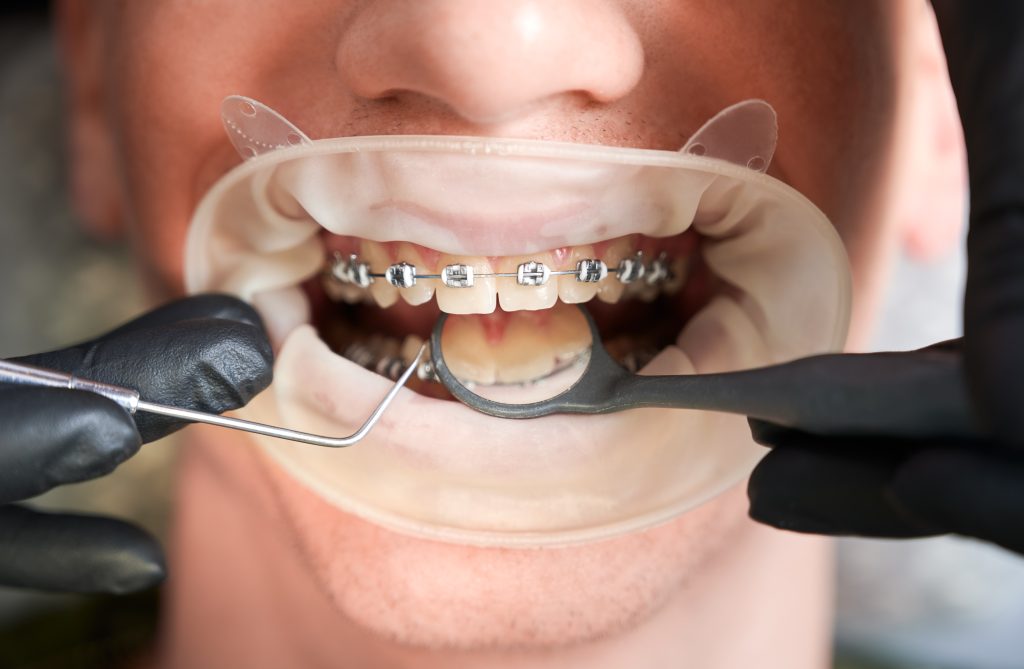
Braces adjustment appointments are regular check-ins where your dental practitioner fine-tunes your braces to keep your teeth moving in the right direction. During each appointment, your dental practitioner examines how your teeth have moved since your last visit. They replace or adjust wires, change elastics, and confirm everything is working properly.
Before the Adjustment Begins
When you arrive, you’ll check in at reception. Your dental practitioner will ask if you’ve experienced any problems since your last visit, such as broken brackets or discomfort. This is a good time to mention any concerns. They’ll also assess your oral hygiene and evaluate your progress by comparing your current tooth positions to previous records.
The Adjustment Process Step-by-Step
The actual adjustment follows a predictable sequence that typically takes 20 to 30 minutes, and here’s what happens during most orthodontic adjustments:
- Elastic removal:
The dental assistant removes the coloured elastics or ligatures that hold the archwire to each bracket. This step is quick and involves minimal discomfort. - Wire removal:
Your dental practitioner carefully removes the archwire from your brackets. You might feel some pressure as the wire is taken out. - Cleaning:
The dental team cleans your teeth and brackets, removing any buildup or debris. - Progress check:
Your dental practitioner examines how much your teeth have moved since your last visit. They check your bite and alignment, and compare your current position to where your teeth should be at this stage. - Wire change or adjustment:
Your dentist either places a new wire (often thicker or with a different shape) or adjusts your existing wire by bending it in specific places. This is the core of braces tightening. - New elastics:
Fresh elastics or ties secure the wire to each bracket. This is when you can choose new colours if you like. - Final check:
Your dental practitioner confirms that nothing is poking your cheeks or tongue and schedules your next appointment.
What Your Dentist Is Checking
Throughout the appointment, your dental practitioner monitors how well your teeth are responding to the current pressure. They will also check whether movement is happening at the expected rate. They examine each bracket to confirm it’s securely attached, check the condition of the wires, and assess your oral hygiene.
Based on what they observe, they may adjust the treatment timeline or recommend additional appliances, such as rubber bands, if needed.
How Often Will You Need Braces Adjustments?
Most patients attend adjustment appointments every 4 to 10 weeks, though this varies based on treatment stage, complexity, and individual response. According to Orthodontics Australia, patients should generally have their braces adjusted every 4 to 10 weeks throughout their treatment.
Why Adjustment Frequency Matters
Braces move teeth by applying constant pressure over time. When your dental practitioner places a new wire or adjusts the existing one, the wire applies pressure to your teeth. As your teeth move, the wire naturally loses some of its effectiveness. Regular orthodontic adjustments maintain the optimal pressure required for continued movement.
Your teeth also need time to respond biologically, as the bone around them remodels as they shift, typically taking three to four weeks.
Factors That Affect Your Schedule
- Treatment complexity:
More complex cases often need more frequent visits, particularly in the initial stages. - Treatment stage:
Early stages of treatment typically involve closer monitoring. - Type of braces:
Traditional braces and self-ligating braces may have slightly different schedules. - Individual response:
Some people’s teeth move more quickly than others. - Compliance:
Wearing elastics as directed helps keep your treatment on schedule.
Typical Adjustment Schedule Table
| Treatment Phase | Typical Frequency | What to Expect |
| Initial phase (months 1-3) | Every four to six weeks | More frequent visits to monitor initial movement and confirm brackets stay attached |
| Active phase (months 4-18) | Every six to eight weeks | Regular adjustments to continue guiding teeth into position |
| Finishing phase (final months) | Every 8-10 weeks | Less frequent visits as fine-tuning occurs |
What If You Miss an Appointment?
If you miss a scheduled visit, your treatment timeline may be extended because your teeth aren’t receiving the adjustments needed to continue moving forward. If you need to reschedule, contact your dental clinic as soon as possible to book a new appointment.
Preparing for Your Adjustment Appointment
Good preparation helps your braces appointment in Perth run smoothly and allows you to get the most from your orthodontic visit. While adjustments are routine procedures, a few simple steps beforehand make the experience easier and more productive for both you and your dental practitioner.
Before Your Appointment
The Day Before:
- Review any questions or concerns you’d like to discuss with your dental practitioner.
- Check your supply of elastics to see if you need more.
- Note any issues, such as broken brackets or loose wires.
Morning Of:
- Brush and floss thoroughly before your appointment.
- Eat a substantial meal before you leave, since your teeth may be sensitive afterwards.
- Avoid very sticky or hard foods on the day of the appointment.
What to Bring
- Your current health fund card if you plan to claim any benefits
- A list of questions or concerns you want to discuss
- Any rubber bands or orthodontic supplies that need restocking
- Your payment method if you have any out-of-pocket costs
- Photo identification if you’re a new patient
Timing Your Appointment
Arrive 10 to 15 minutes early. This allows time to park, check in, and complete any paperwork. If booking for a child or teenager, consider scheduling during school holidays. Perth traffic can be unpredictable during peak hours, so allow extra travel time.
Questions to Prepare
Consider asking the following questions:
- How is my treatment progressing compared to the original plan?
- Am I on track with the timeline we discussed?
- Are there any concerns about my oral hygiene?
- Should I be wearing my elastics differently?
- When do you anticipate removing my braces?
- What should I do if a bracket breaks between appointments?
Managing Discomfort After Your Appointment
It’s normal to experience some soreness or sensitivity for one to three days after an adjustment. This happens because your teeth are being moved into new positions. Most patients find the discomfort manageable with simple strategies and straightforward pain relief measures.
What to Expect After Your Adjustment
First Few Hours:
Your teeth may feel tight or pressured immediately after the appointment. Some patients notice soreness beginning 4 to 6 hours later.
Days 1-3:
The discomfort usually peaks during the first day or two, then gradually improves. You might notice tender teeth when biting down, mild aching, or temporary sensitivity to hot or cold foods. Your cheeks or lips may feel tender if new wires are rubbing against them.
Managing Soreness: Practical Tips
Immediate Relief:
- Your dental practitioner can advise on pain management options if soreness is a concern after your appointment. If using over-the-counter pain relief, follow the product instructions and consult your dental practitioner if you have any health conditions or take other medications.
- Cold foods and drinks provide soothing relief. Try icy poles, smoothies, or cold water.
- Orthodontic wax placed over any areas where the wire or brackets rub creates a smooth barrier.
Diet Adjustments:
- Stick to soft foods for two to three days after preparing for braces adjustment appointments.
- Good food choices include pasta, yoghurt, mashed vegetables, soups, soft fruits like bananas, scrambled eggs, porridge, and smoothies.
- Foods to avoid temporarily include crunchy apples, crusty bread, tough meats, hard vegetables, popcorn, nuts, and hard lollies.
Comfort Measures:
- Your dental practitioner may recommend warm salt water rinses to soothe tender gums. Follow any specific instructions they provide.
- Sleeping with your head slightly elevated can reduce jaw aching.
When to Contact Your Dentist
Normal experiences that don’t require a call include the following:
- Mild soreness lasting 1 to 3 days after the appointment
- Slight irritation from wires that improves with orthodontic wax
- A tightness sensation across your teeth
Contact your clinic if you experience the following:
- Intense discomfort lasting more than three days without improvement
- A wire is cutting into your cheek despite using wax
- A bracket that completely comes off your tooth
- Excessive swelling of your gums or cheeks
- Difficulty eating or drinking due to pain
- Signs of infection, including fever or persistent swelling
FAQs About Braces Adjustment Appointments
How long does a braces adjustment appointment take?
Most braces adjustment appointments take 20 to 30 minutes, according to Orthodontics Australia. This timeframe applies to routine adjustments, during which your dental practitioner changes wires, replaces elastics, and checks your progress. Several factors can affect the duration. More complex adjustments may take longer, particularly if your dental practitioner needs to address broken brackets or make significant wire modifications.
Your first few appointments might take closer to 45 minutes as the dental team establishes your treatment routine. Simple progress checks that require minimal adjustment might take only 15 minutes. When planning your schedule, allow about 45 minutes total, including check-in time and any discussions about your progress.
Does getting your braces adjusted cause discomfort?
During the appointment, most patients may feel pressure rather than sharp pain. The sensation is often described as pushing or tightness, particularly when the dental practitioner removes the old wire or places the new one. Soreness may develop a few hours after the appointment and for many patients lasts one to three days before gradually improving, though individual experiences vary.
The level of discomfort varies significantly from person to person based on individual pain thresholds. Your dental practitioner aims to minimise discomfort while still achieving the necessary tooth movement. Many of the management techniques covered earlier, including soft foods and over-the-counter pain relief, help make the post-appointment period more comfortable.
Can I eat before a braces adjustment appointment?
Yes, eating a good meal before your appointment is actually recommended. Your teeth may be sensitive after the adjustment, which can make eating uncomfortable for several hours or even the rest of the day. Having a substantial meal beforehand means you won’t be hungry while your teeth are tender.
Choose foods that don’t require excessive chewing. Avoid foods that easily get stuck in your braces right before your appointment. After eating, brush and floss thoroughly to remove any food particles. If your appointment is early morning, a good breakfast is fine.
What can I eat after getting my braces adjusted?
Stick to soft, cool foods for the first two to three days after an adjustment, whilst your teeth are tender. Good choices include yoghurt, smoothies, mashed potato, pasta, soft fruits such as bananas, scrambled eggs, soup, icy poles, porridge, and soft bread.
Foods to avoid temporarily include crunchy vegetables, hard bread, tough meats, whole apples, nuts, popcorn, hard lollies, and crispy snacks. These foods require significant chewing force and can increase your discomfort. As the soreness subsides over the next few days, gradually reintroduce your normal foods. Remember that some foods remain off-limits throughout your entire treatment because they can damage braces.
How many adjustment appointments will I need for braces?
The number of adjustment appointments varies considerably between patients. As a general guide, many patients attend multiple appointments across their treatment period, though your dental practitioner can give you a more personalised estimate as treatment progresses. If you attend appointments every six to eight weeks, this timeframe translates to roughly 12 to 18 adjustment visits for an average case.
More complex cases involving significant crowding or bite issues may require additional appointments. How well you comply with instructions about wearing elastics also affects your timeline. Individual variation in how quickly teeth move means some patients progress faster than others. Your dental practitioner monitors your progress at each visit and can provide a more accurate estimate as treatment progresses.
Individual results and experiences may vary. Orthodontic treatment duration, appointment frequency, and discomfort levels differ between patients. Consult your dental practitioner for advice tailored to your situation.
Final Thoughts
Braces adjustment appointments are a routine and important part of orthodontic treatment. These regular visits, which typically last 20 to 30 minutes and occur every 4 to 10 weeks, allow your dental practitioner to monitor your progress and keep your teeth moving in the right direction.
Understanding what happens during an adjustment helps reduce anxiety about the process. Some soreness afterwards is normal and manageable with soft foods, over-the-counter pain relief, and simple comfort measures. Good preparation makes appointments more productive.
The friendly team at Maylands Dental Centre in Perth is here to help with any questions about your orthodontic treatment. You can call the clinic during business hours or visit the website to book a consultation. You can call the clinic during business hours or visit the website to book an appointment.
**Article reviewed by:**
Dr Jonathan Lo
General Dental Practitioner
BDSc
AHPRA Registration: DEN0001995824
The information provided on this website is for general educational and informational purposes only. It is not intended to be, and should not be relied upon as, a substitute for professional dental advice, diagnosis, or treatment. Always seek the advice of a qualified dental professional with any questions you may have regarding orthodontic treatment.


 General Dentistry
 Cosmetic Dentistry
 Restorative Dentistry
 Dental Implants
 Orthodontics
 Sleep Dentistry
 Childrens Dentist
 Cosmetic Procedures
 Health Funds
 Government Schemes
 Payment Plan Options